Design Development Modelling
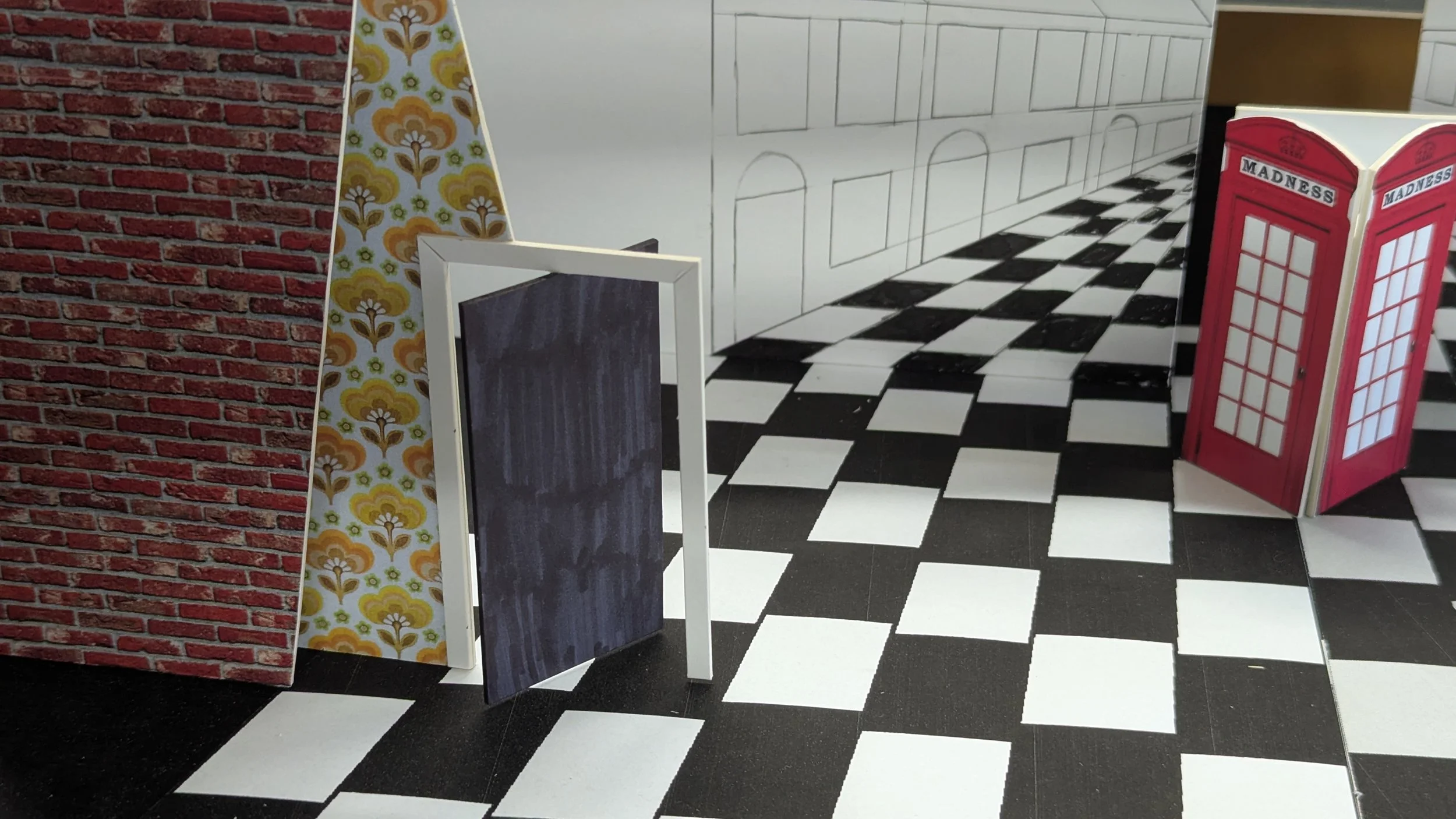
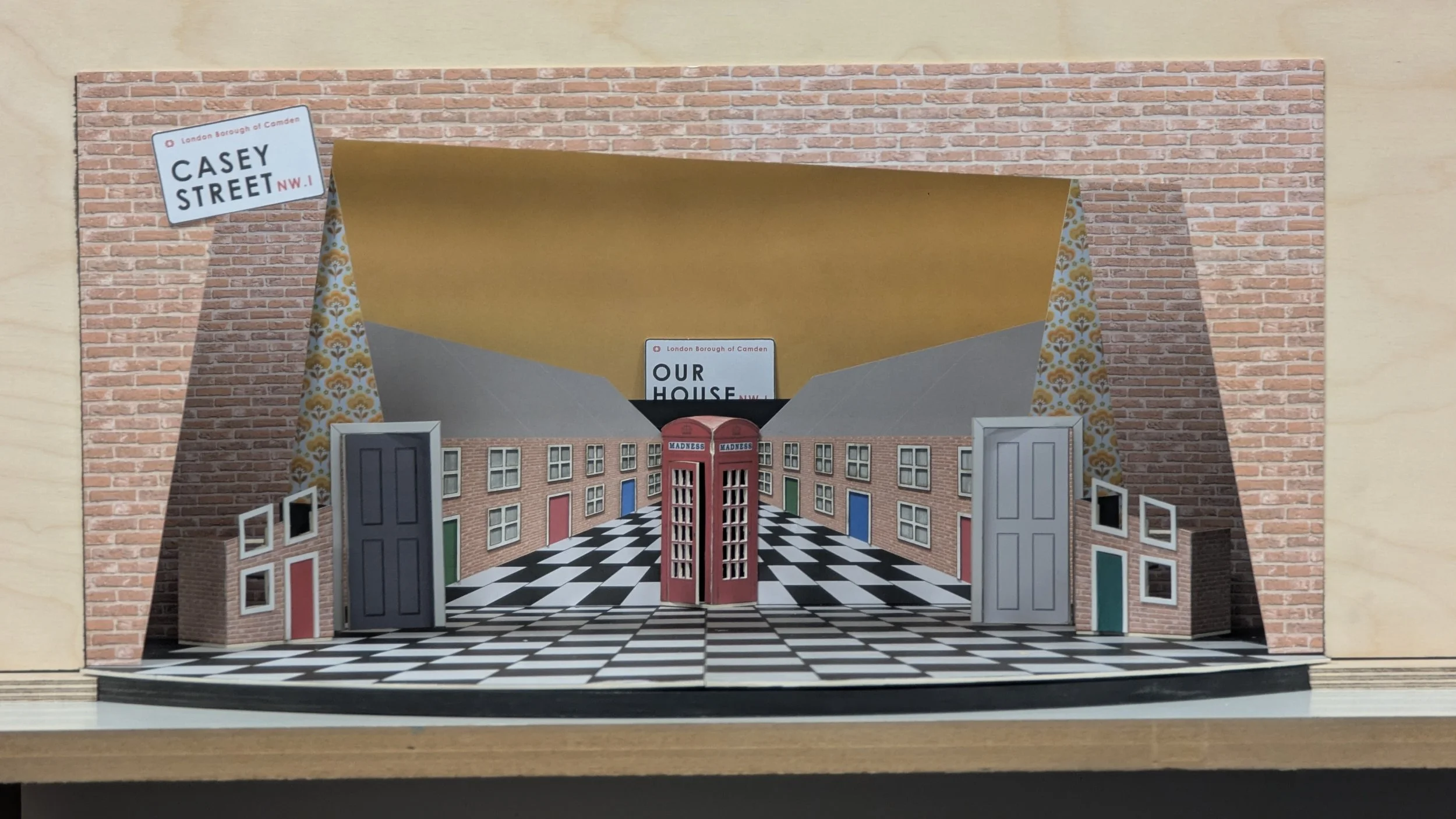
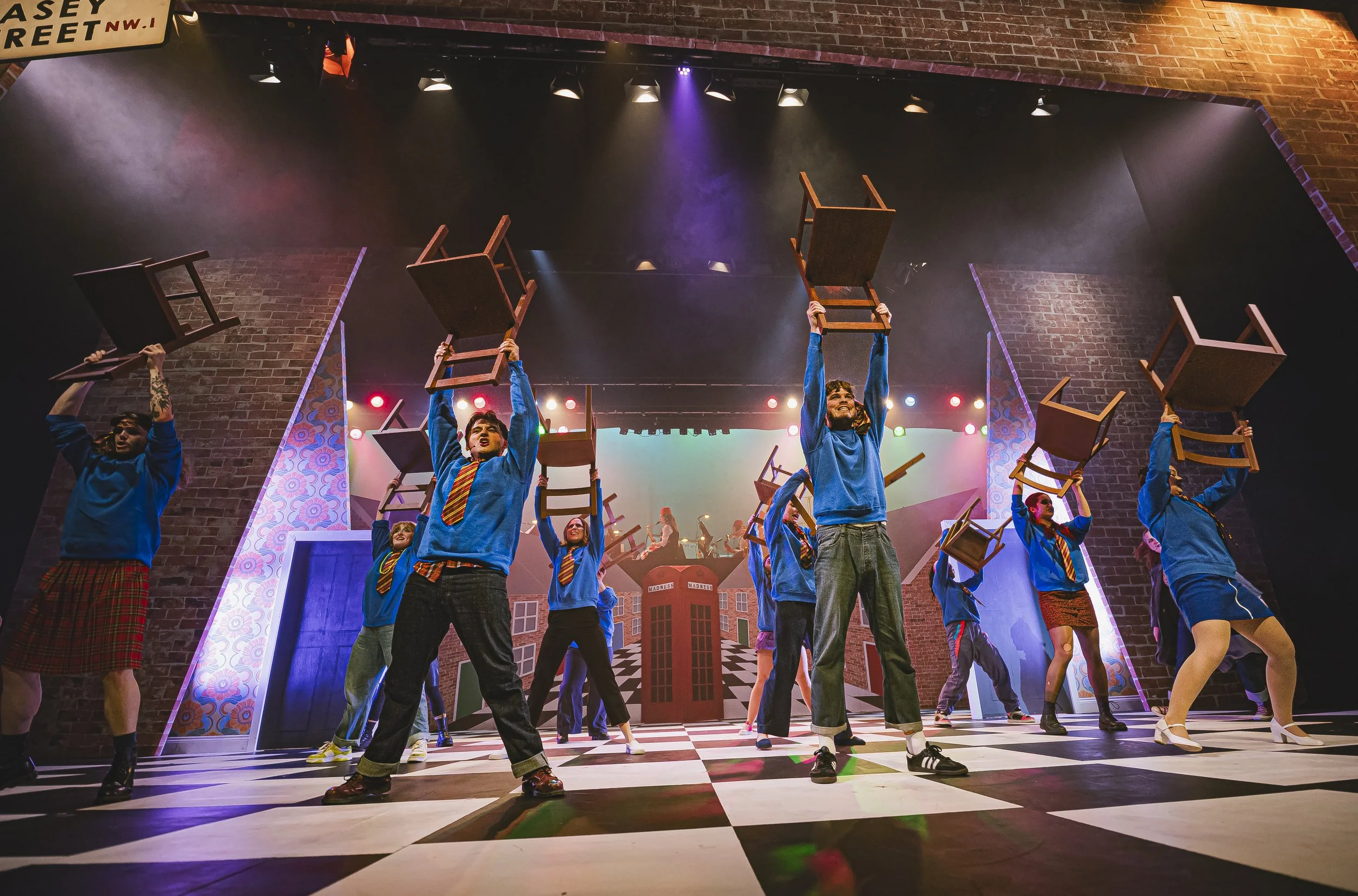
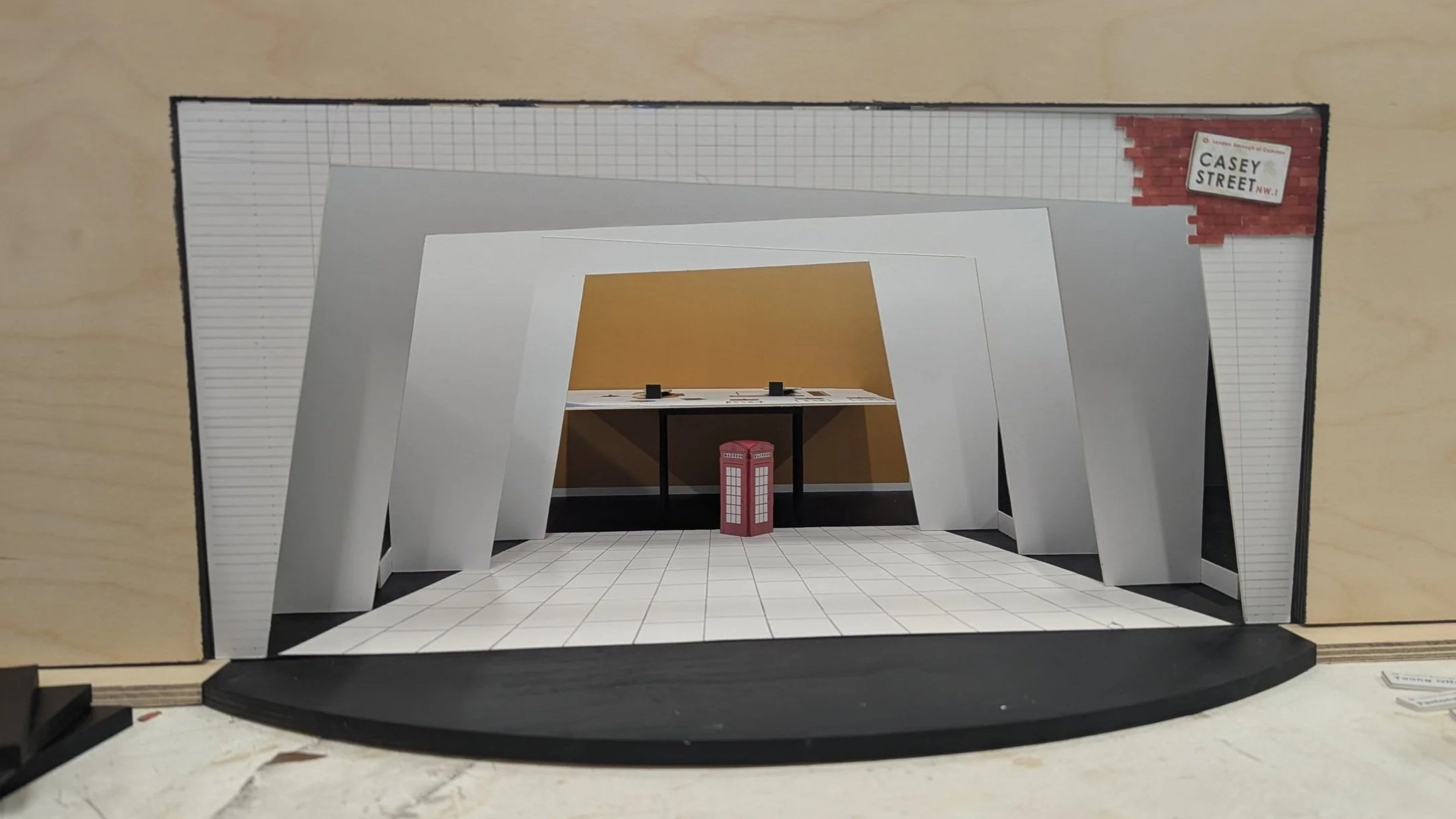
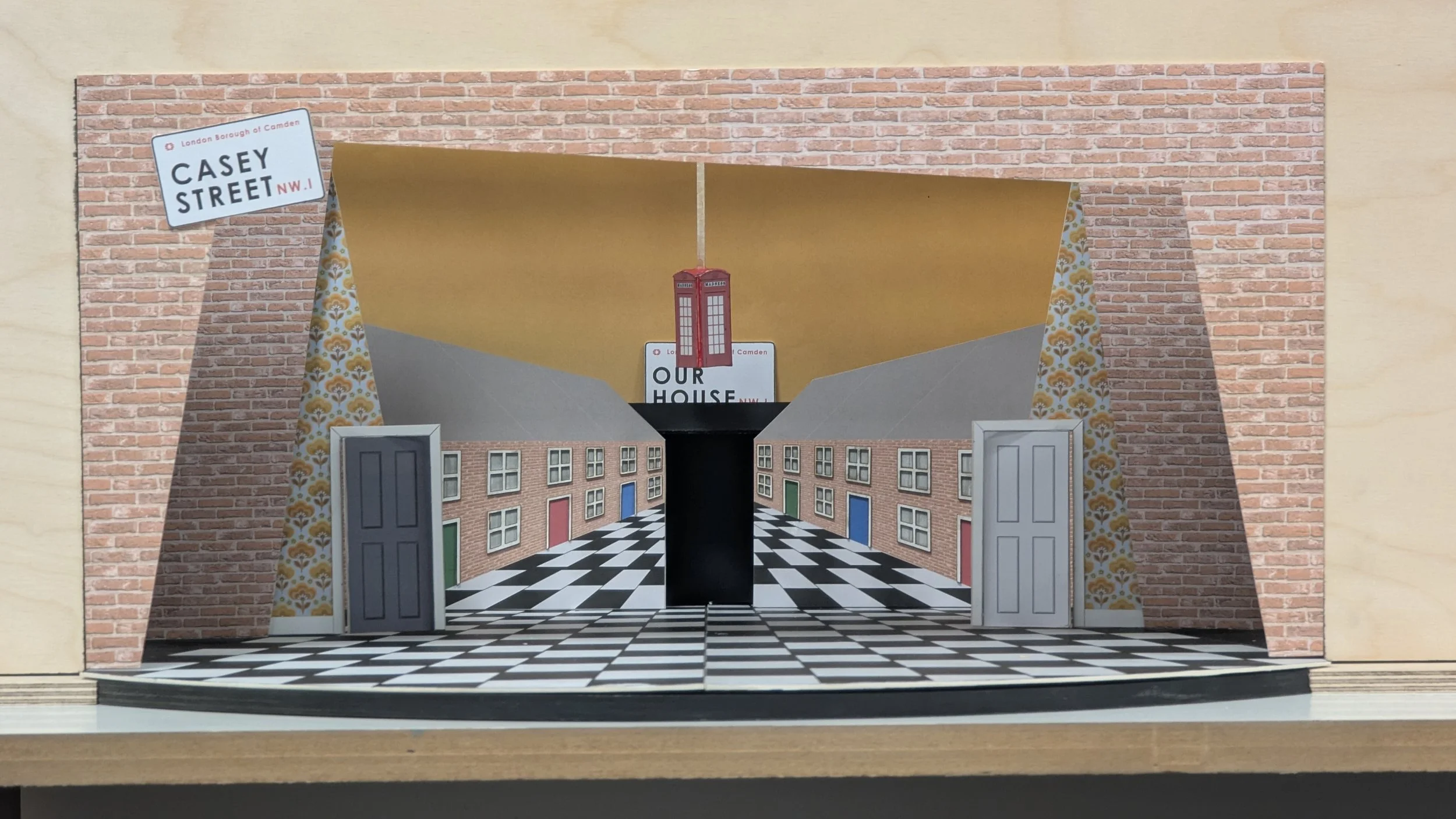
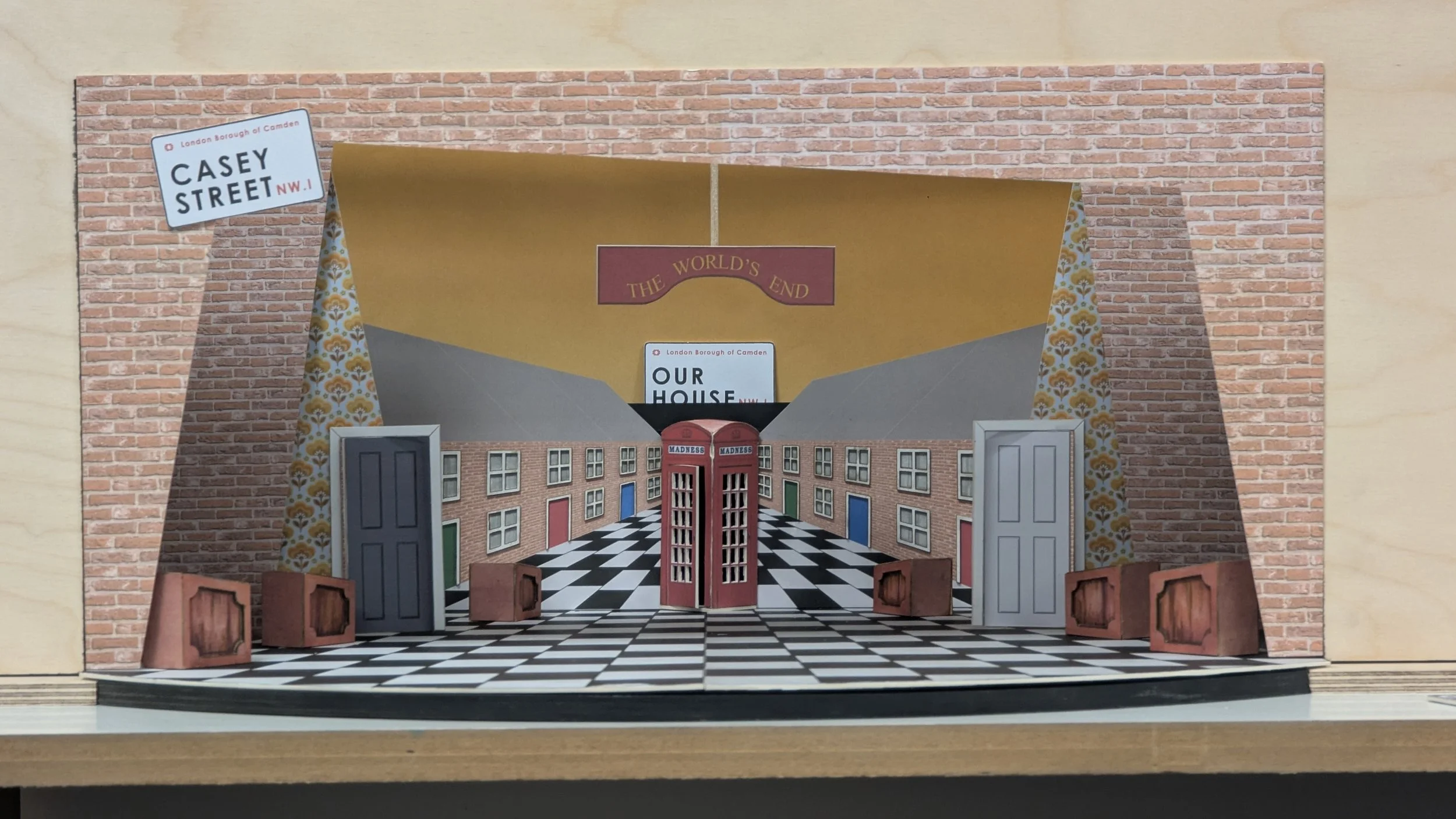
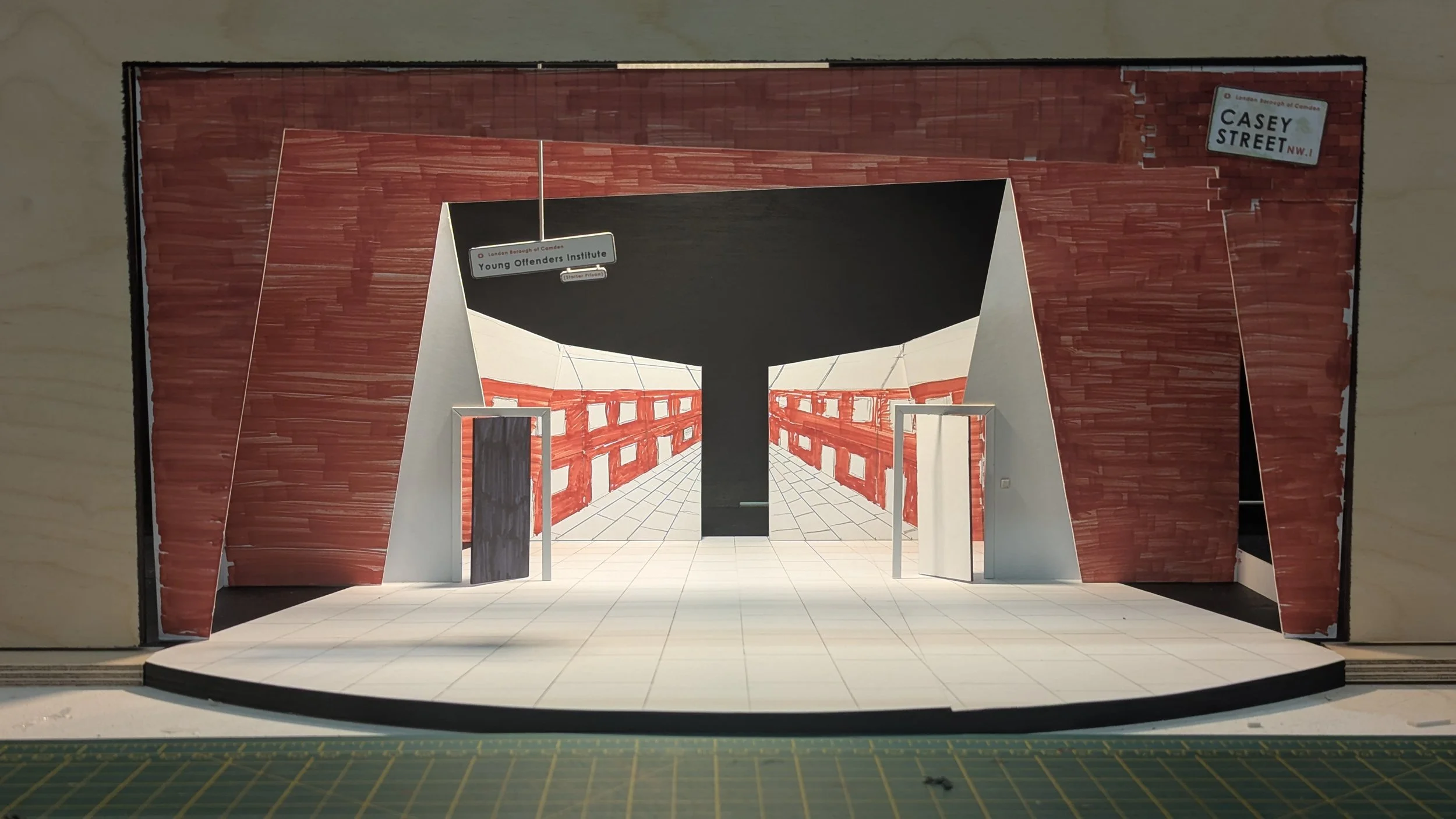
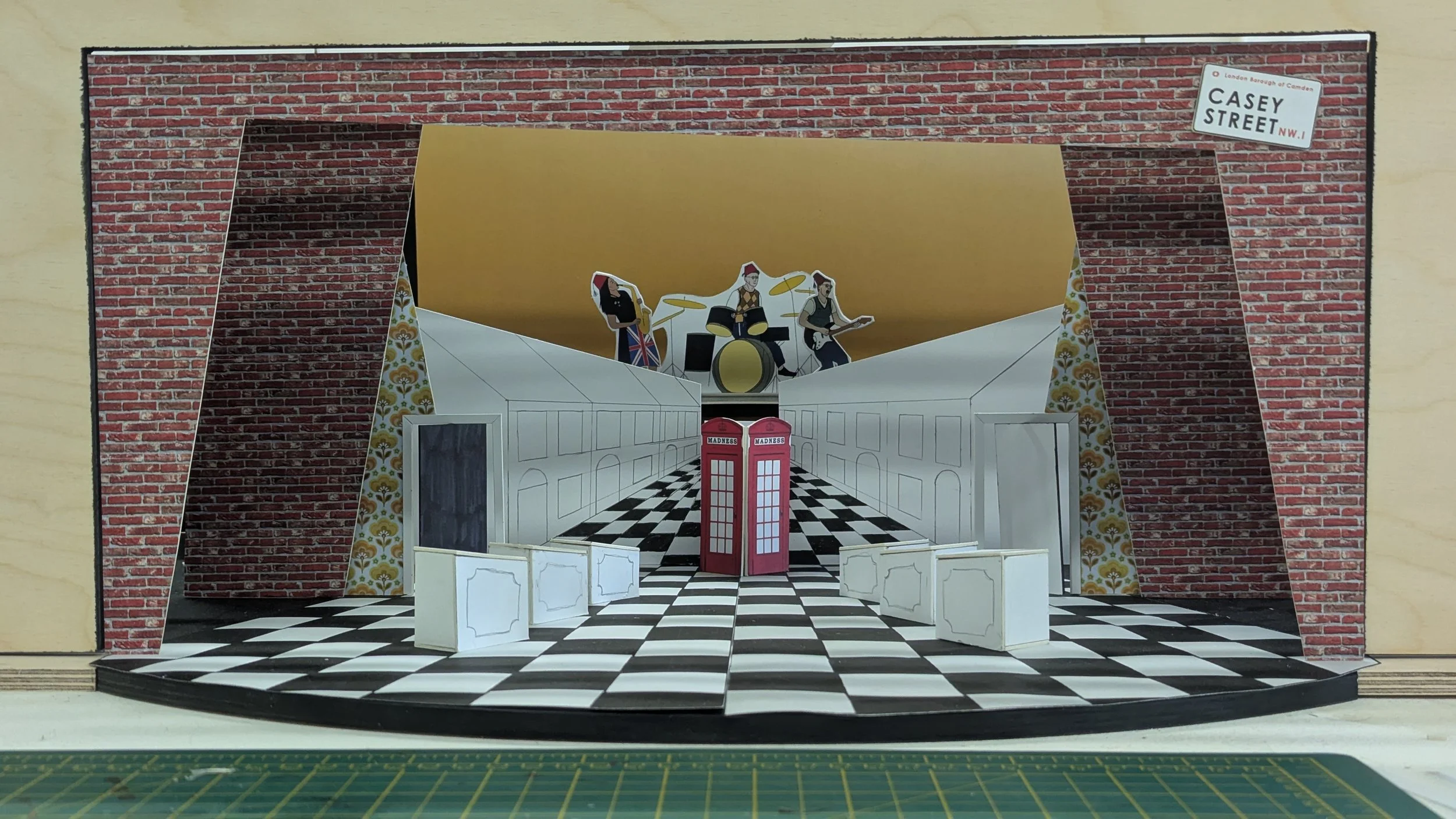
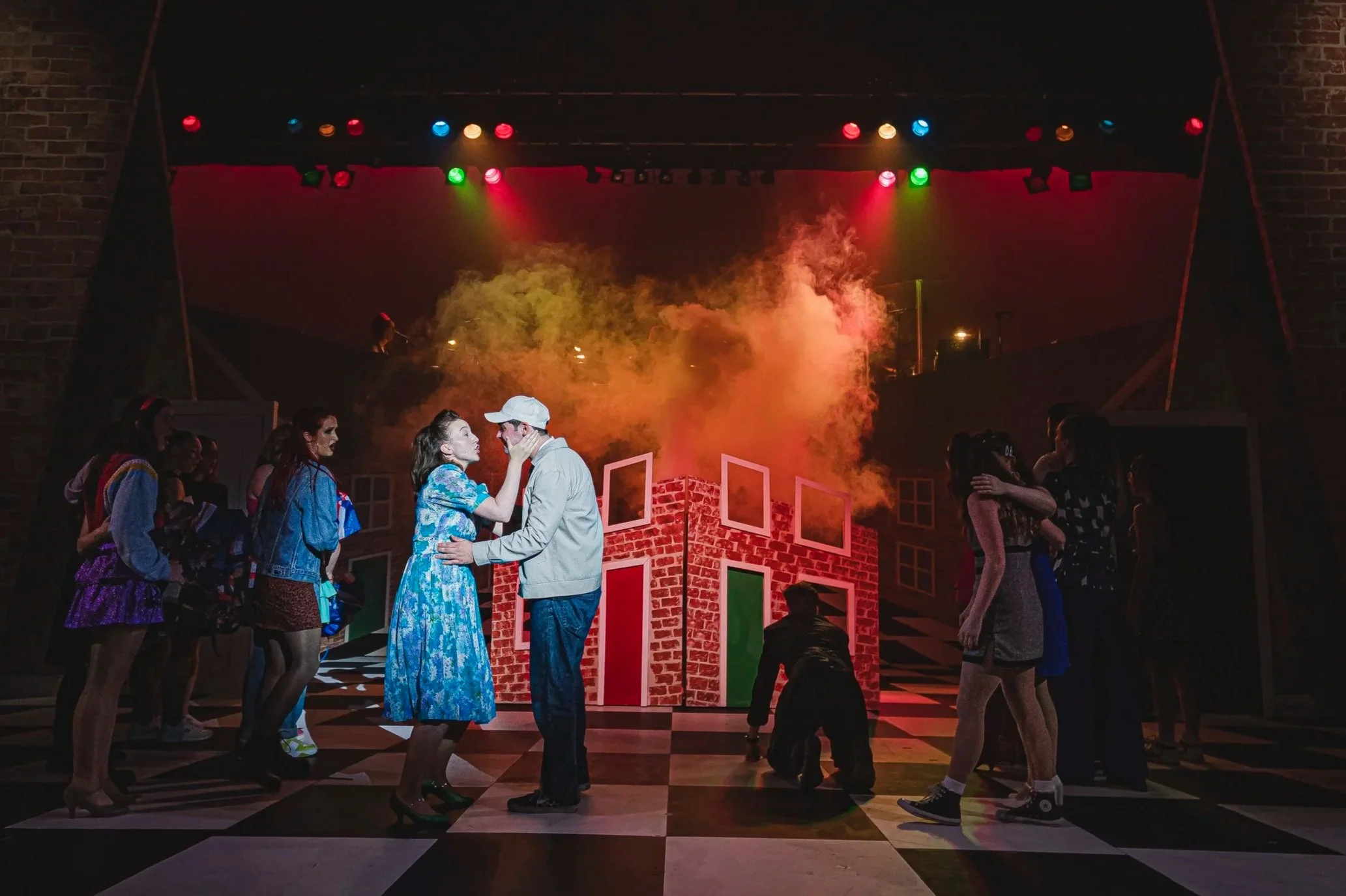
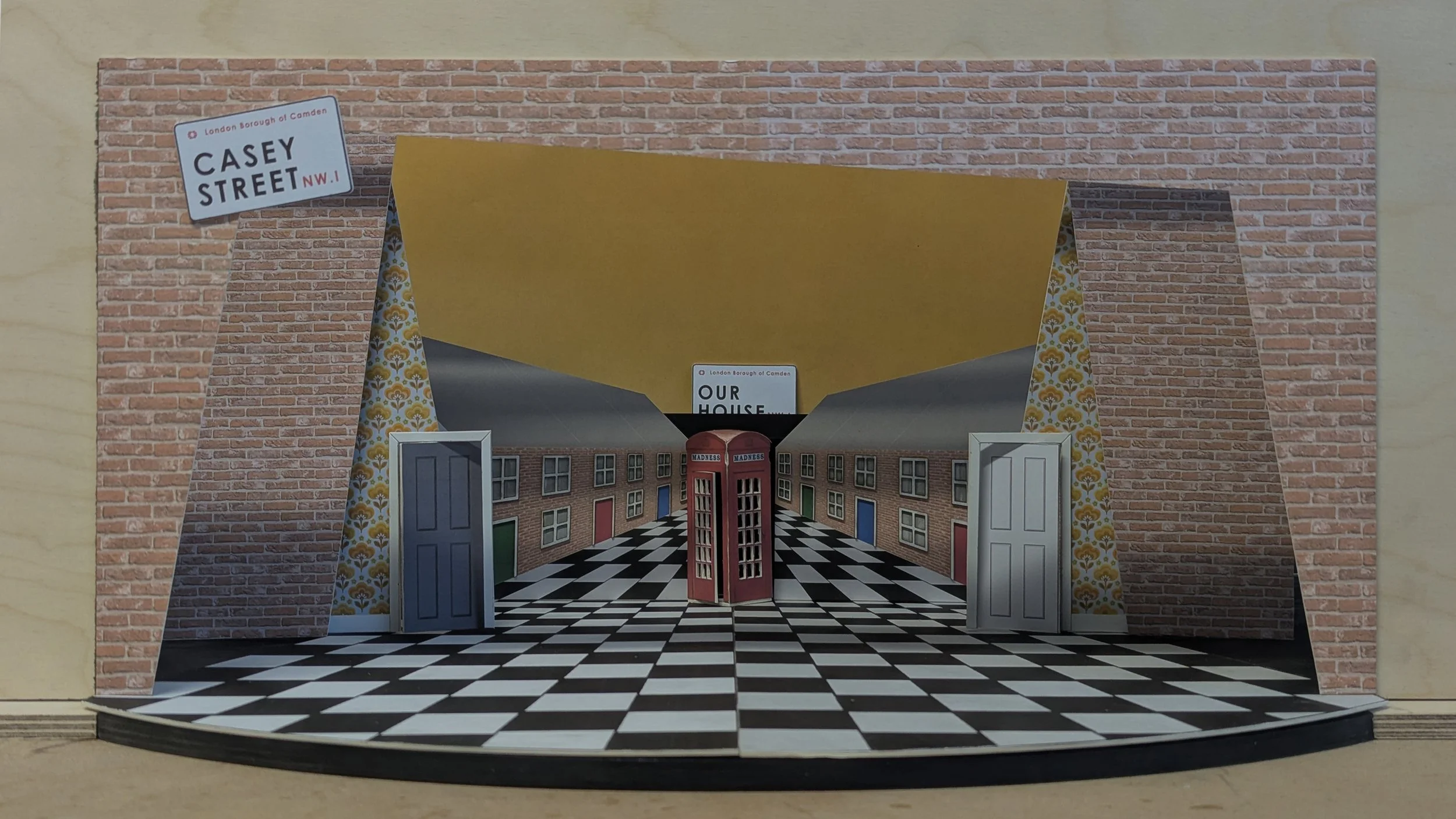
I developed design ideas by phisically modelling in the model box. I stuck with my original design concept that was having a forced perspective set carried with hard masking flats regressing from the main scenery procenium. I then adapted this idea to suit the changing requirements of the production. The forced perspective idea came from the fact that the majority of the scenes were set on Casey Street in various different ways.
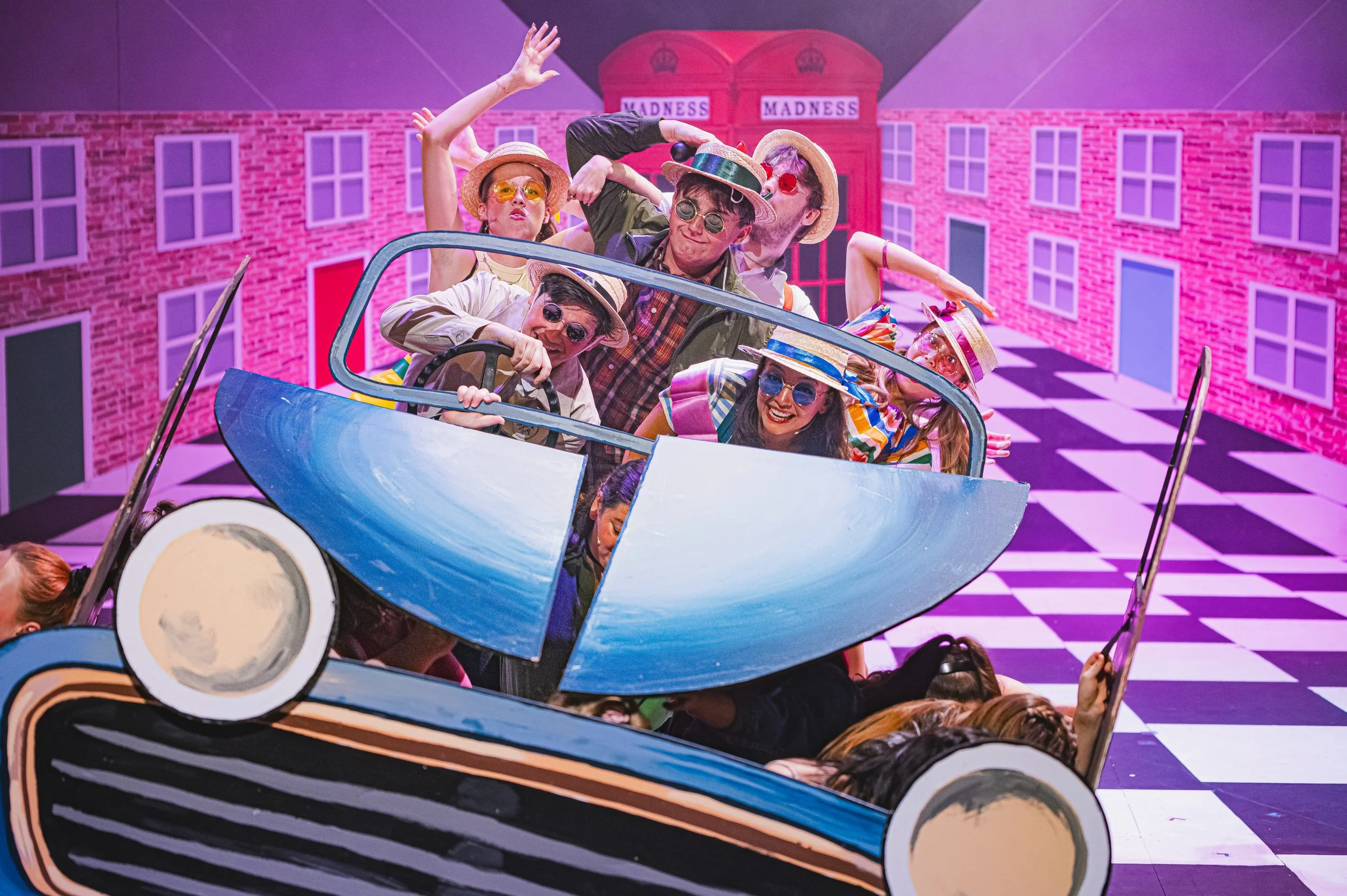
Director & Choreographer - Mark Smith
Musical Director - Michael Morwood
Set Design Assistant - Martha Ma
Costume Designers - Evan Stead and Olivia Lewis
Associate Choreographer - Amy Guppy
Lighting Designer - Charlie Moore
Set Design - Reuben Dutch
Photographer - Kirsten McTernan
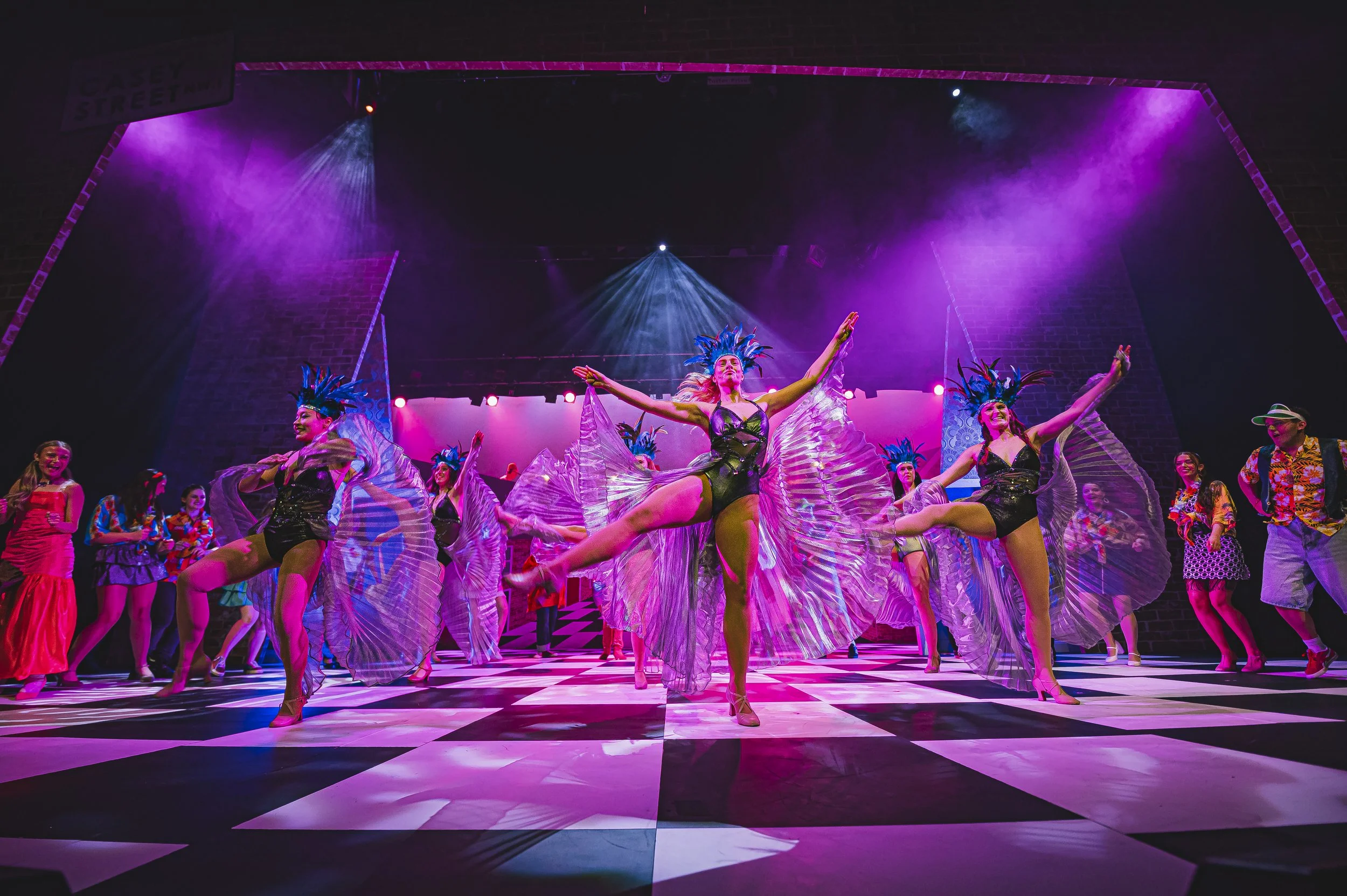
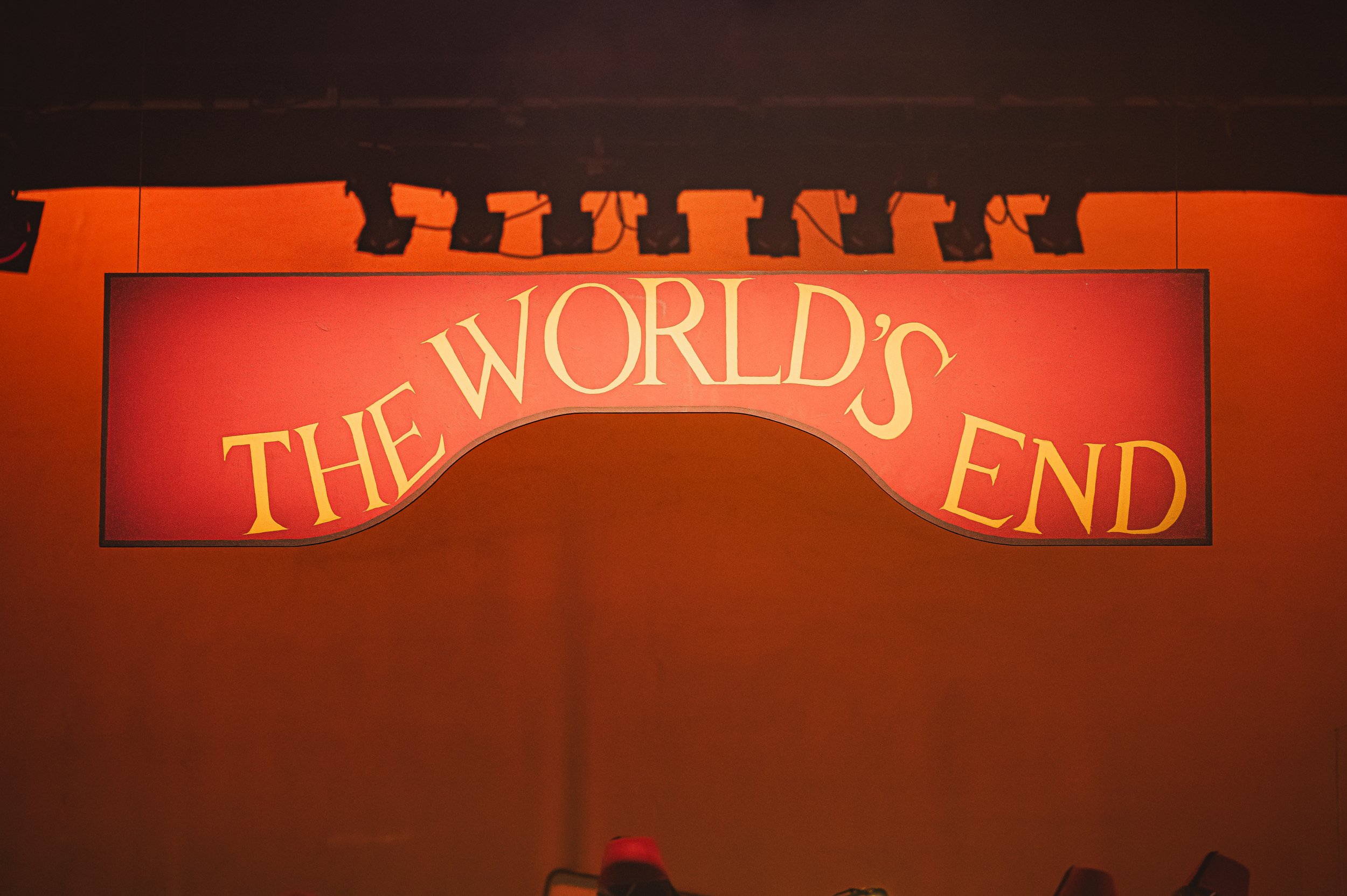
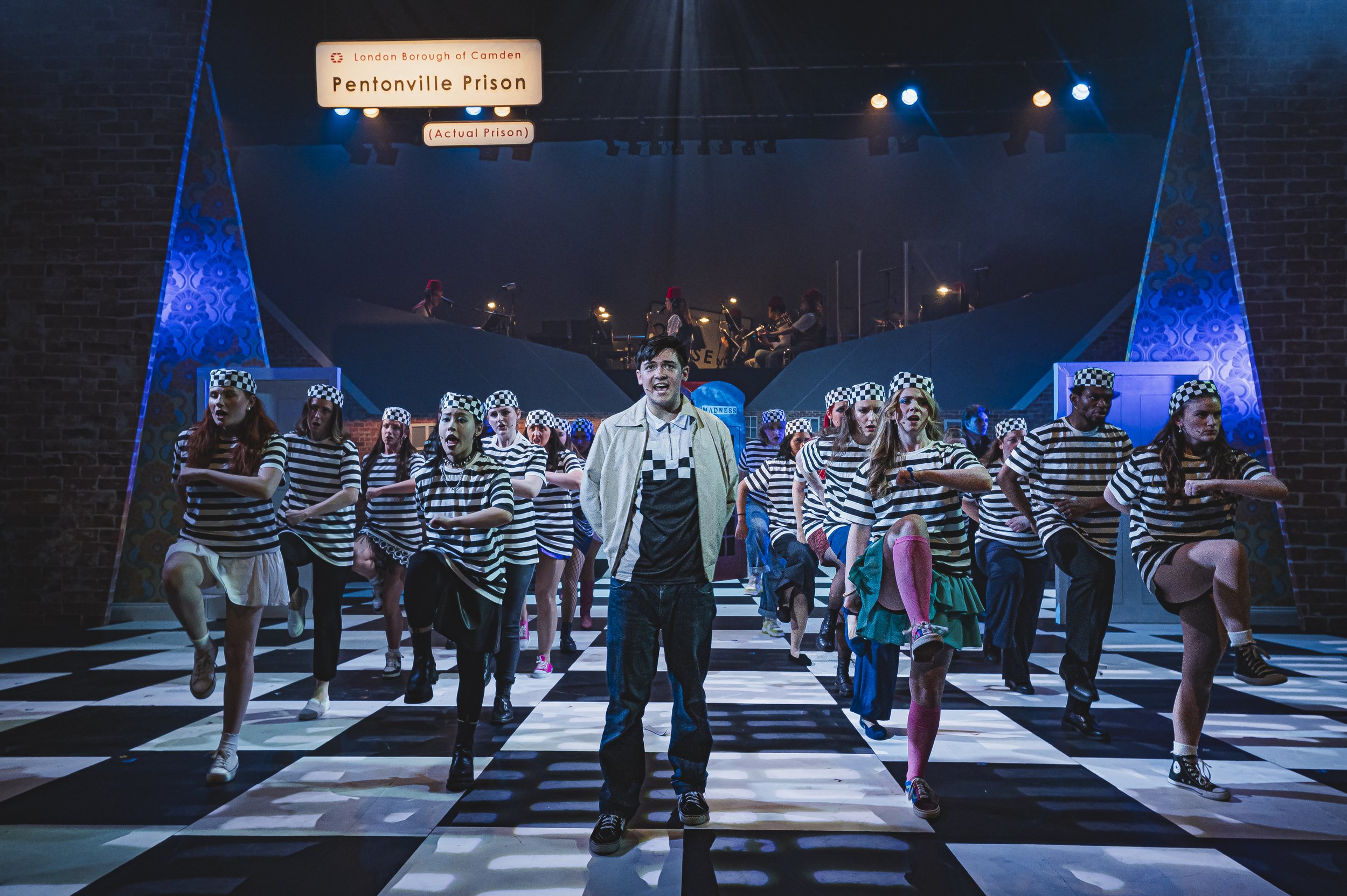
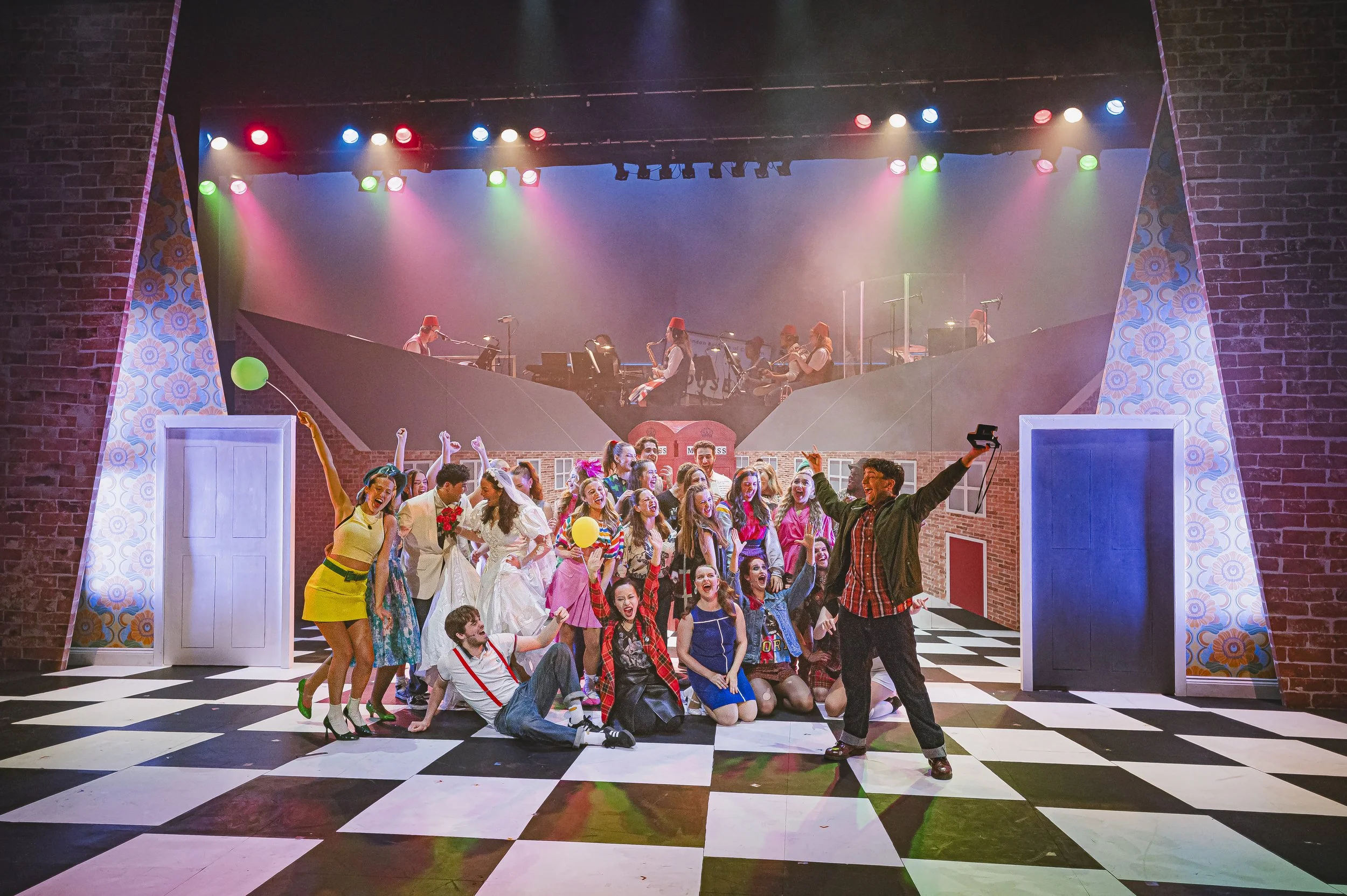
In March 2025, I started working on the stage design of the RWCMD production of Our House the West-End-debut jukebox musical based on the music of Madness, written by Tim Firth. This production was designed for the Richard Burton Theatre Company to be performed on the Sherman theatre main stage, and ran for a week in June 2025.
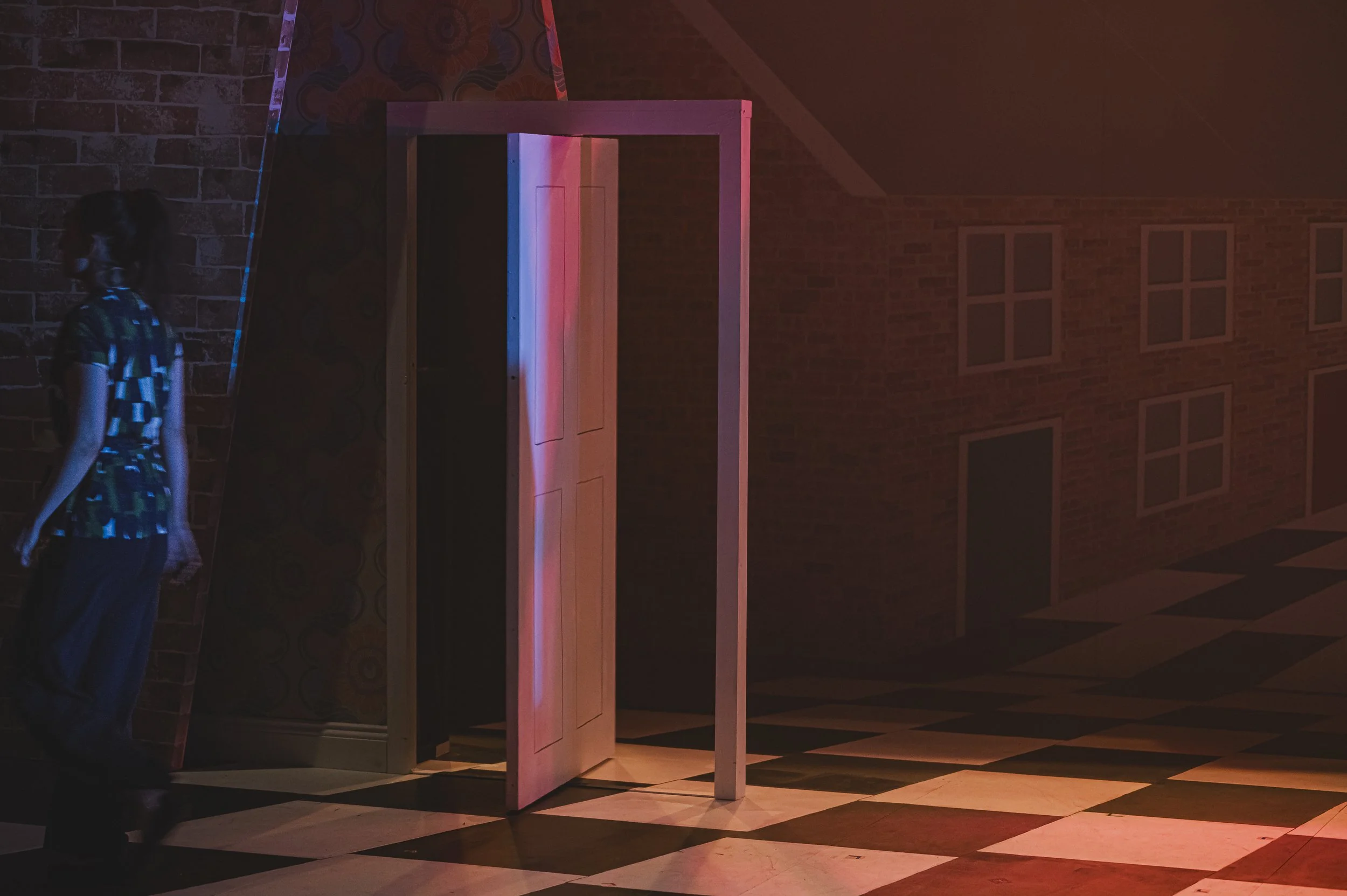
One of the design elements that was imperitive in helping tell the story clearly to an audience were a pair of revolving doors. These flanked the stage, each set into hard masking scenery wallpapered to look like the inside of a ‘70s home. The doors were black on one side, and white on the other and revolved depending on which of the two story versions (good or bad) was being acted out.
House Trucks
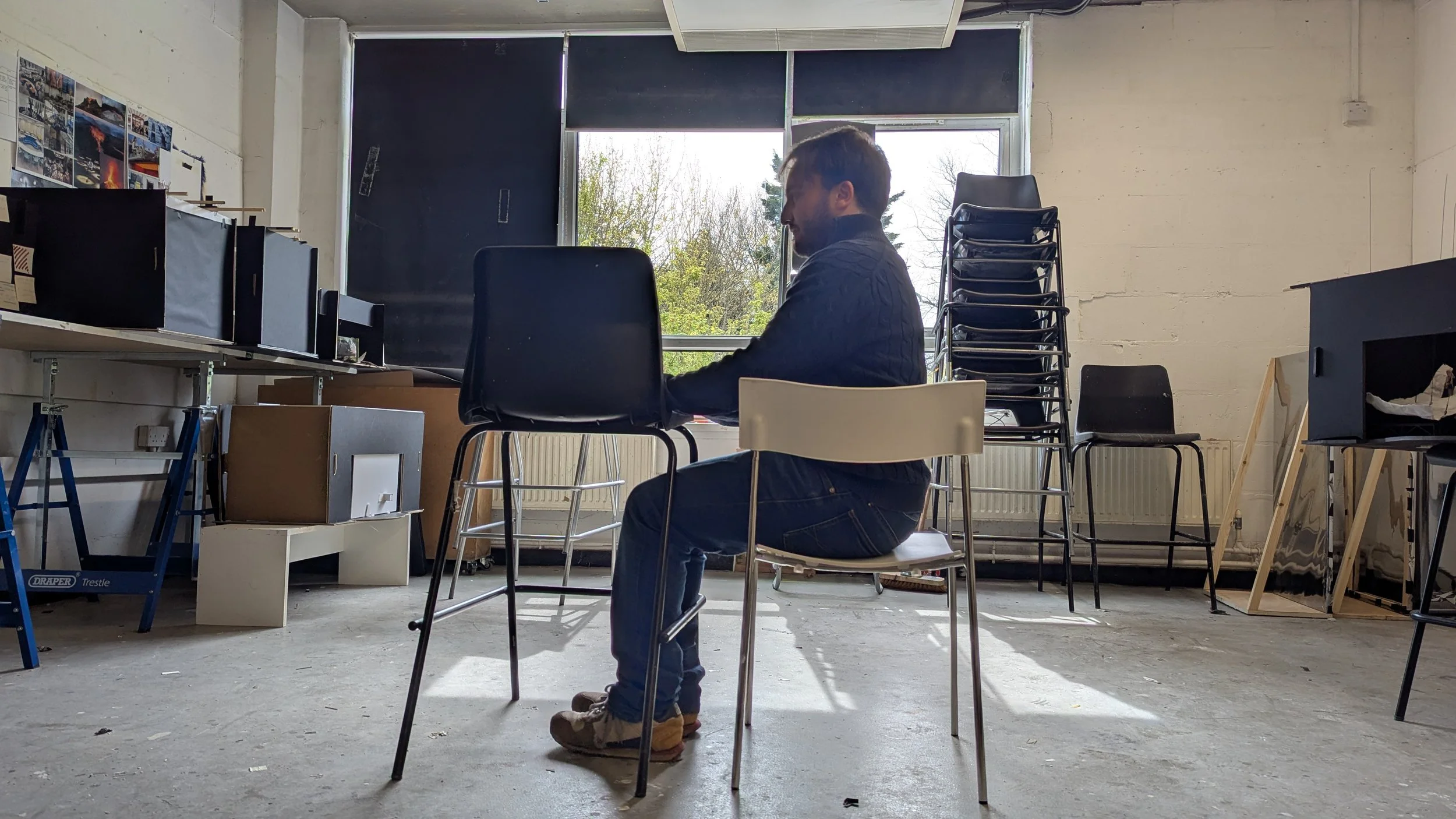
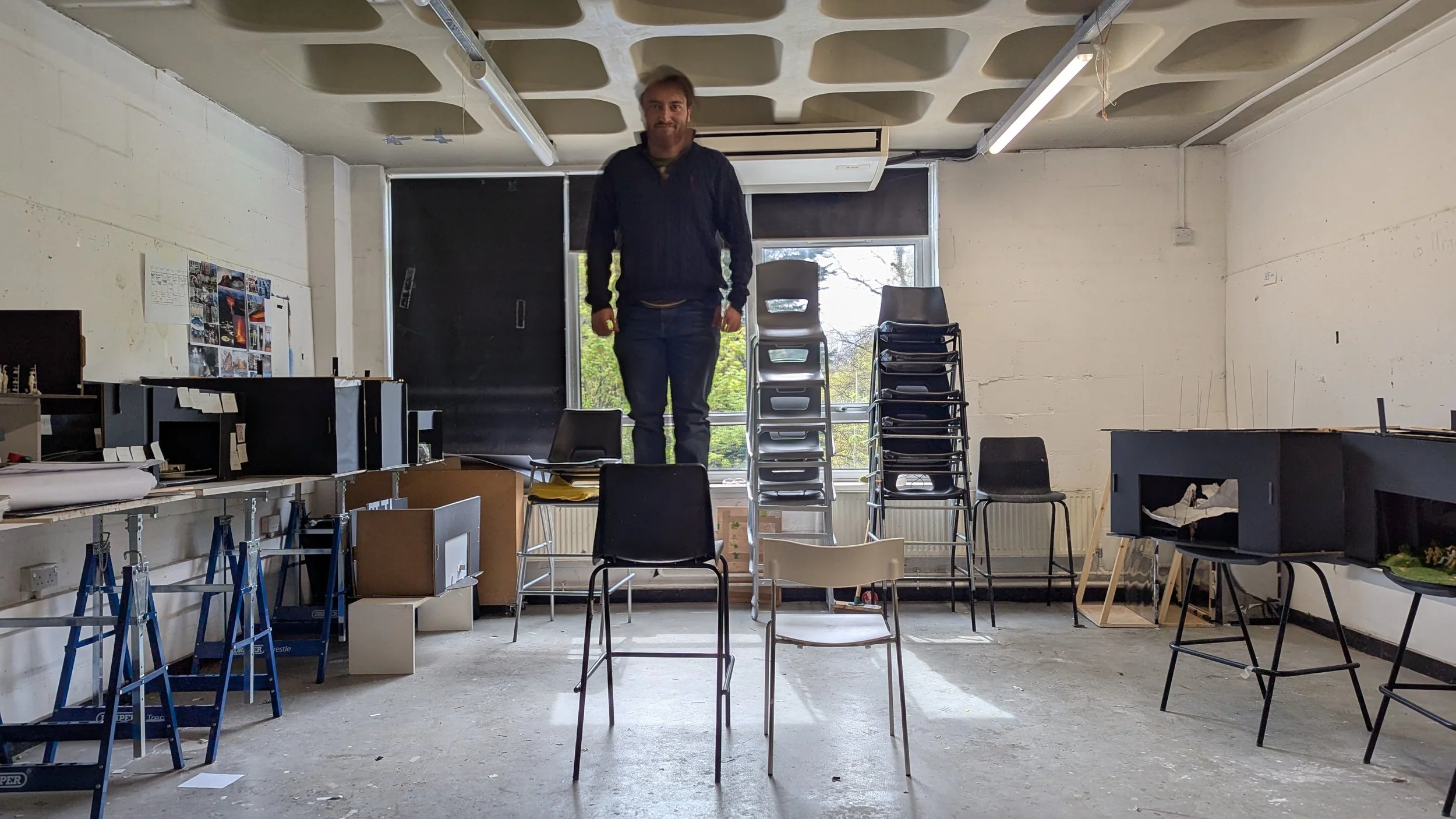
Like many of the set pieces, the house trucks were designed to be as useable as possible for multiple scenes. In the adjacent photos, I am testing the concept with an arrangement of chairs during the design process. Also testing the final house truck costruction before they were painted.
Read-Through
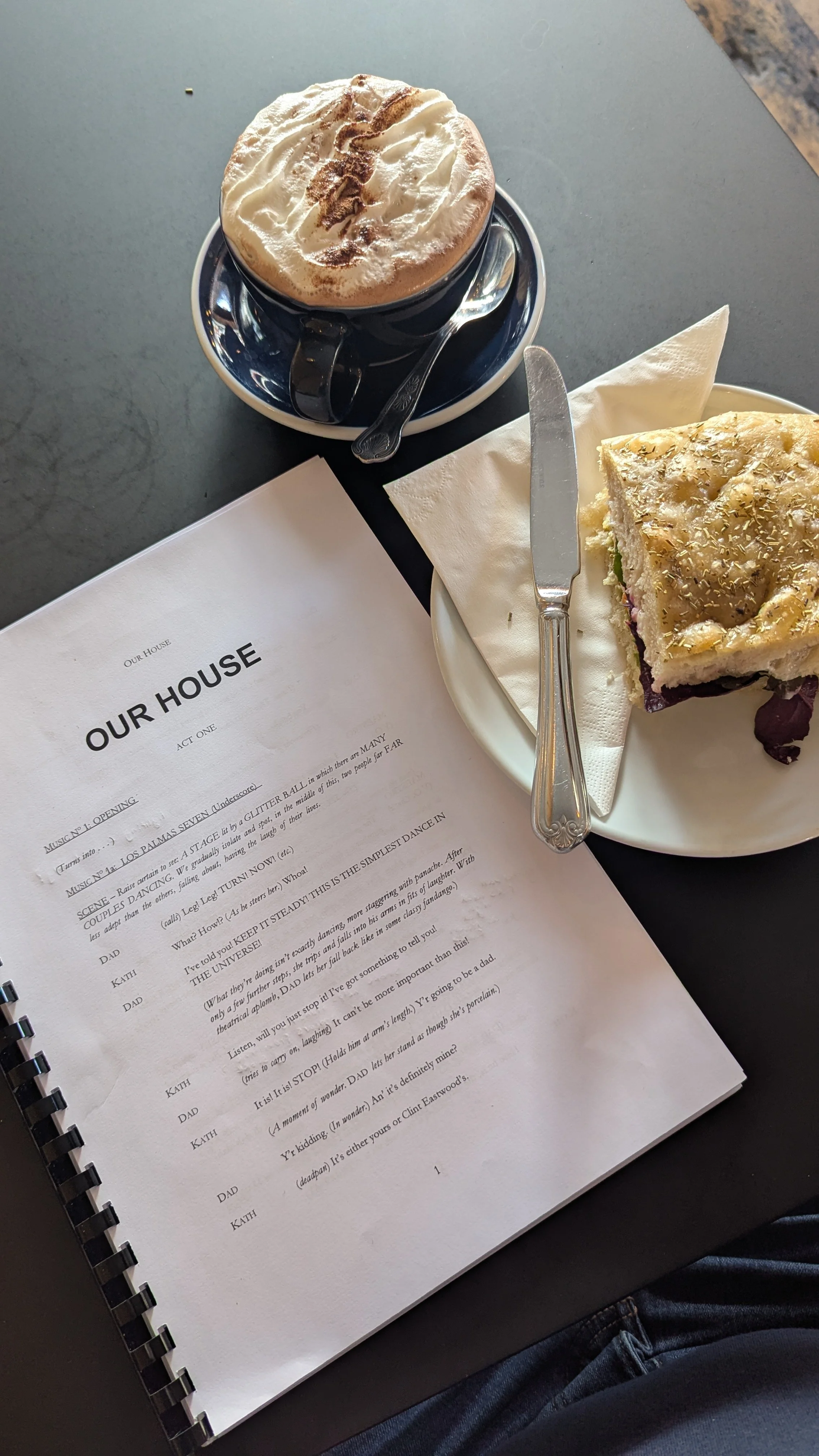
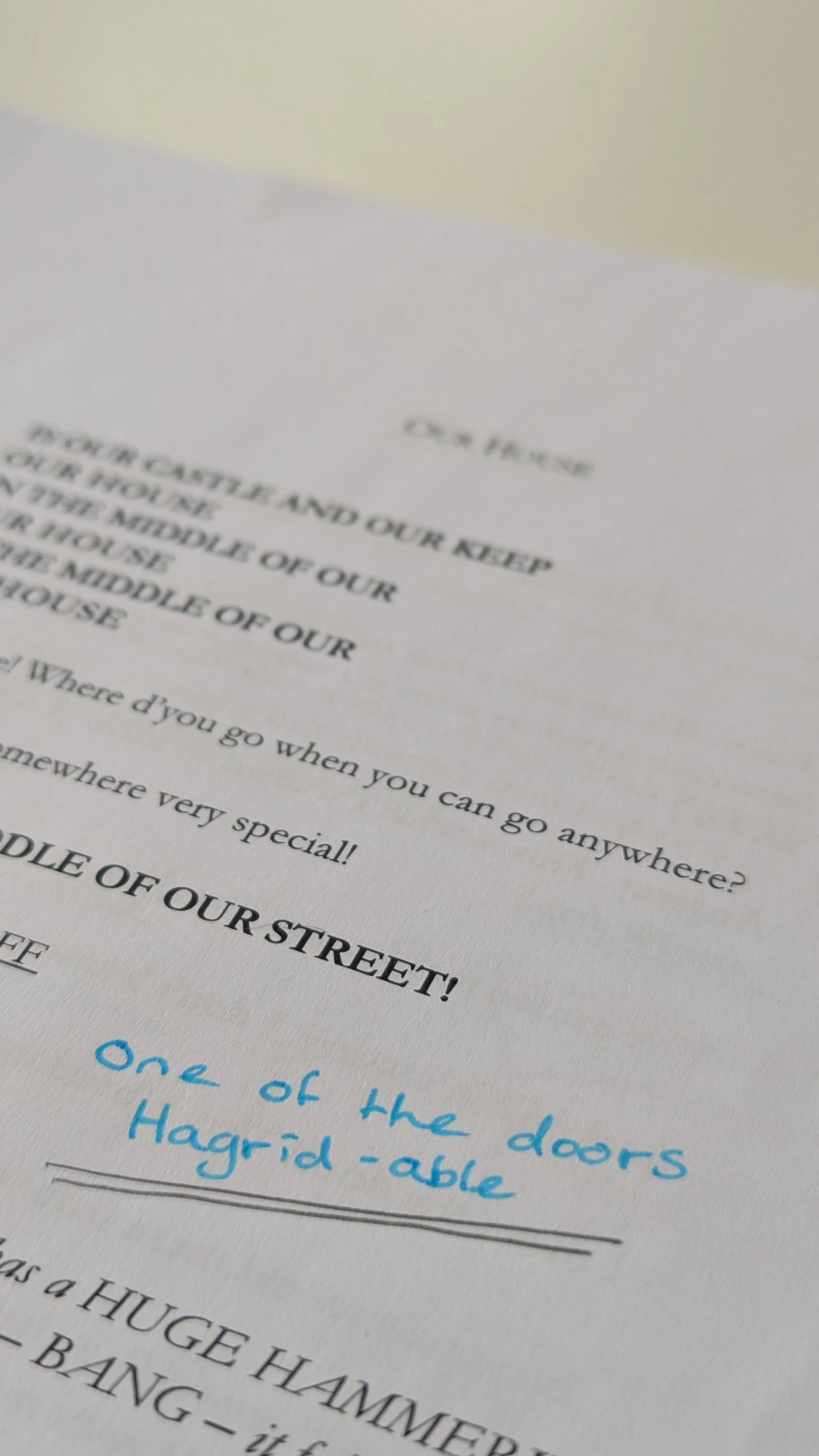
The design process started with an initial script read followed by a read-through with the cast. I made notes on almost every page with every idea I had as I re-read the script multiple times over.
Our House.
Musical Theatre Set Design
Practicalities
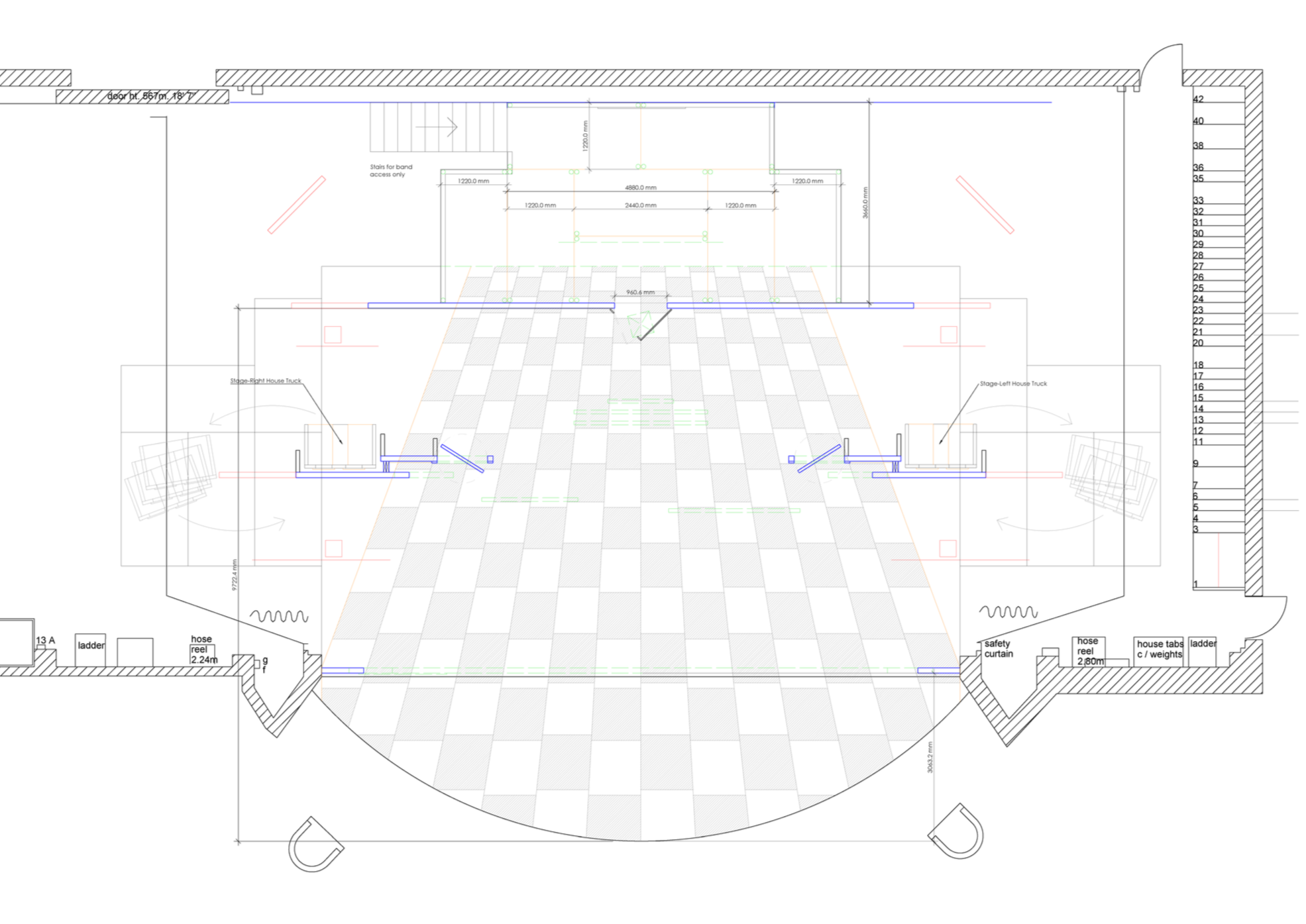
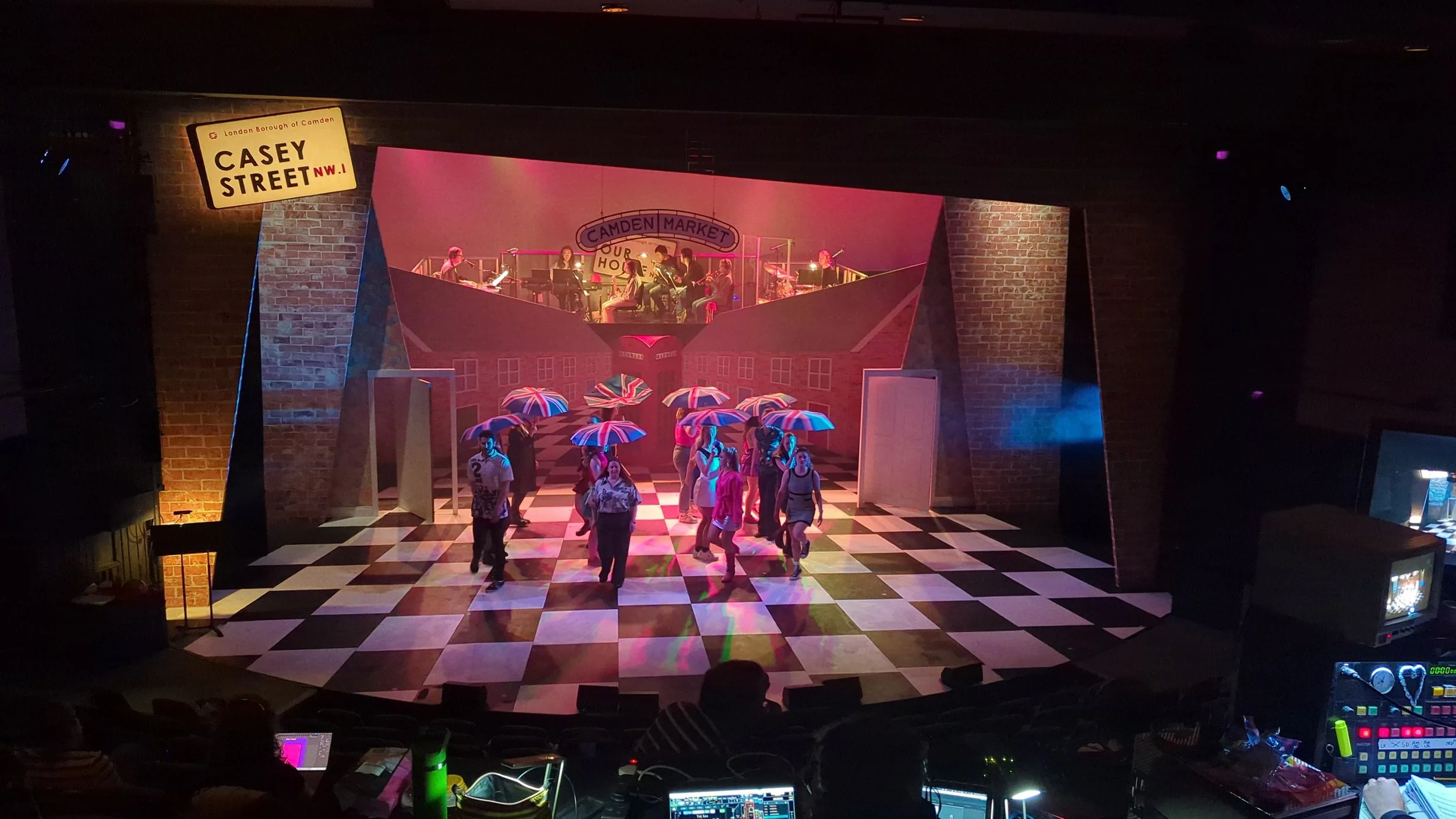
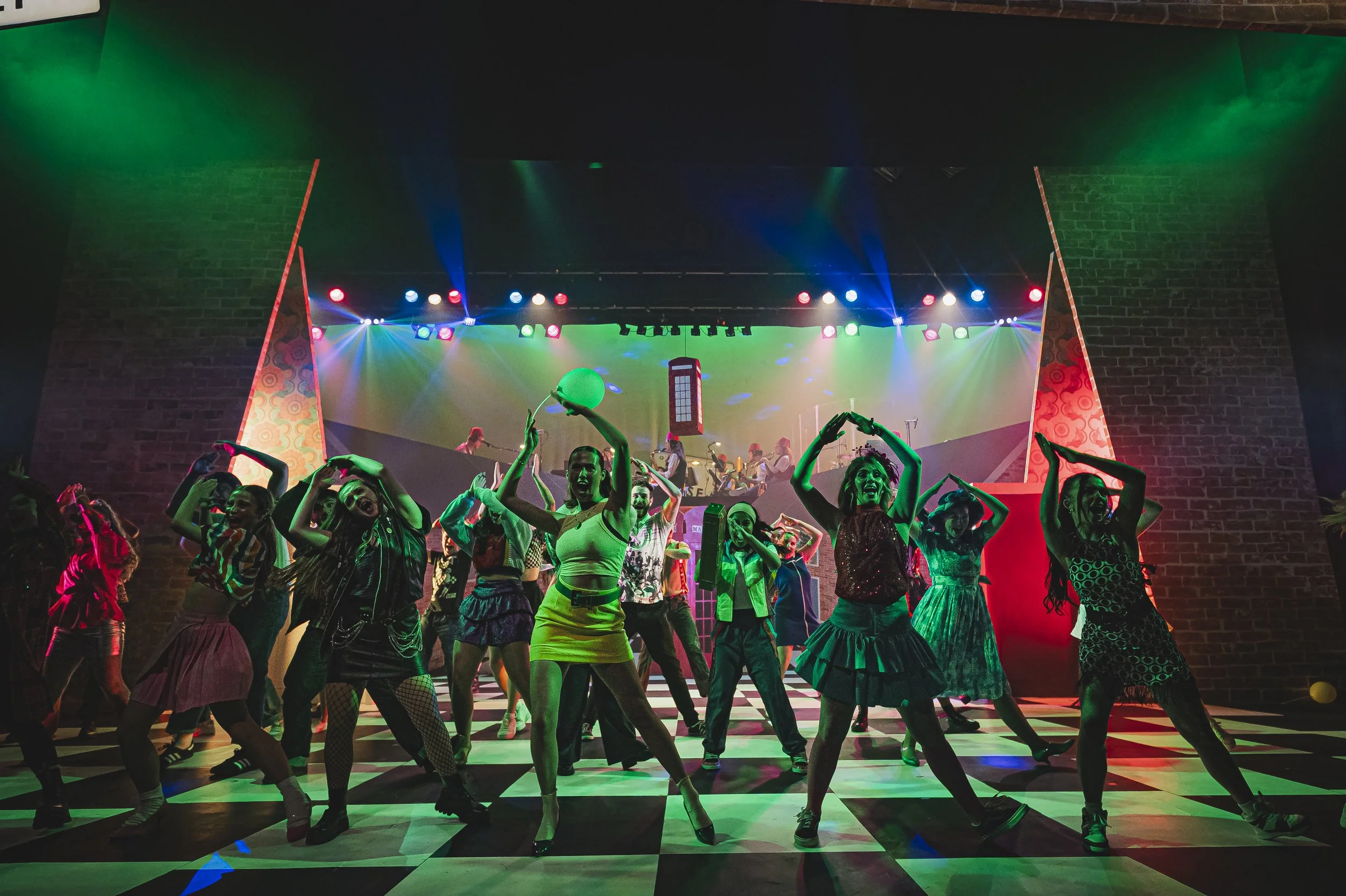
A difficulty came with having to allow for 39 different scenes. Also being a musical, each scene change was part of the choreography. There were also, at most, thirty-five people on stage at one time. To ensure this was possible, I allowed for a practical amount of open stage space. Here is the final ground plan of the set on the sherman stage.
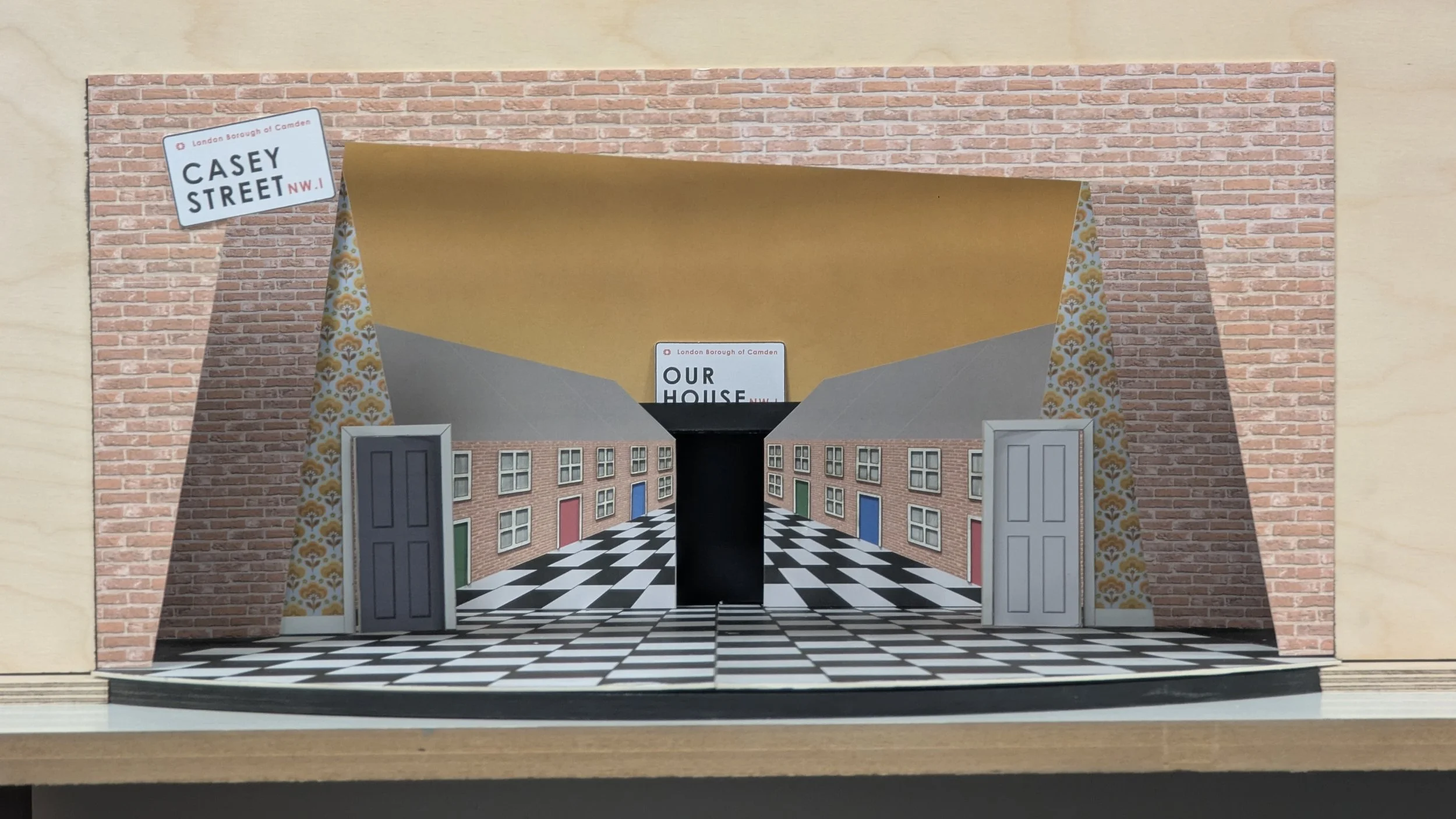
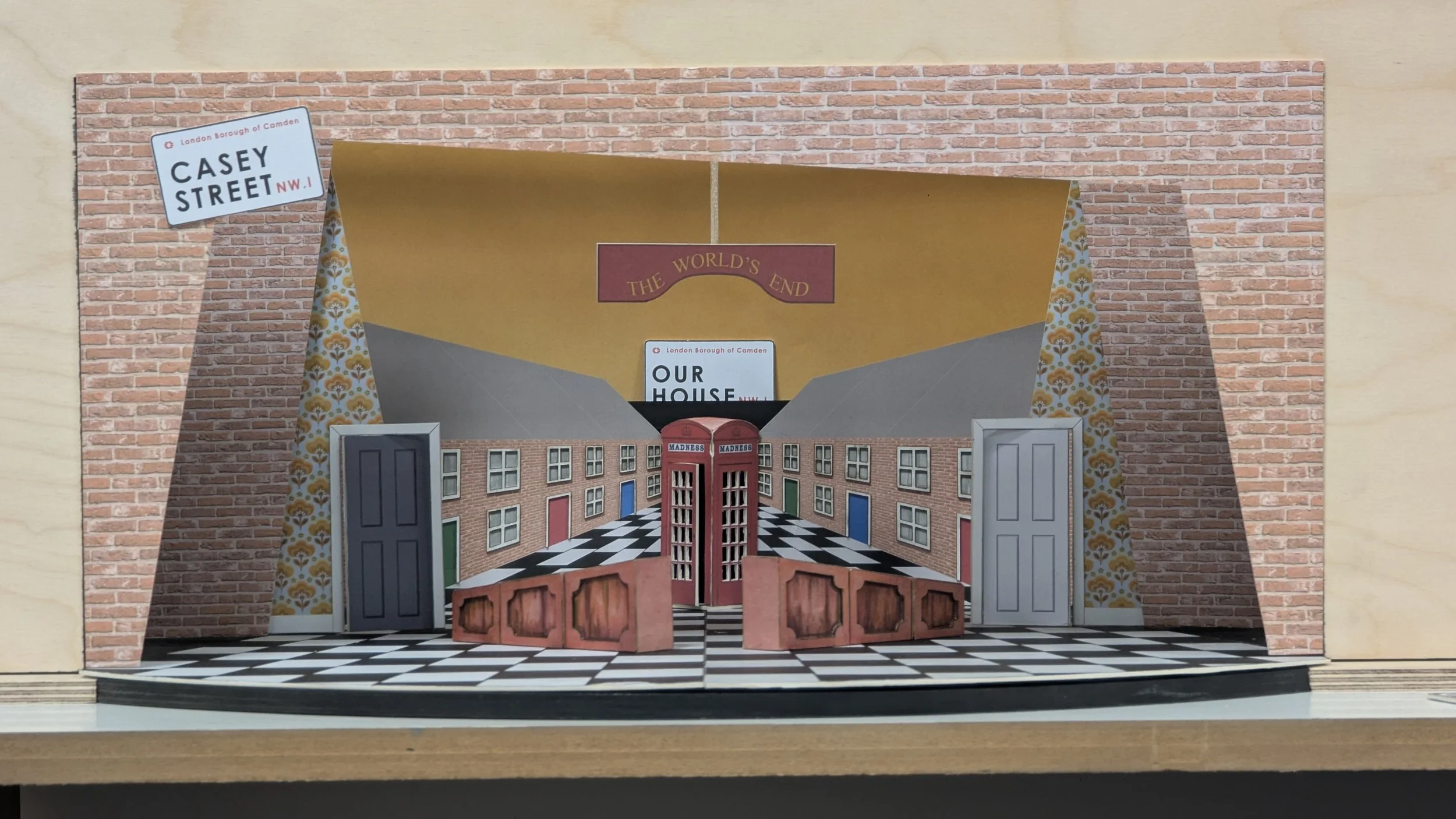
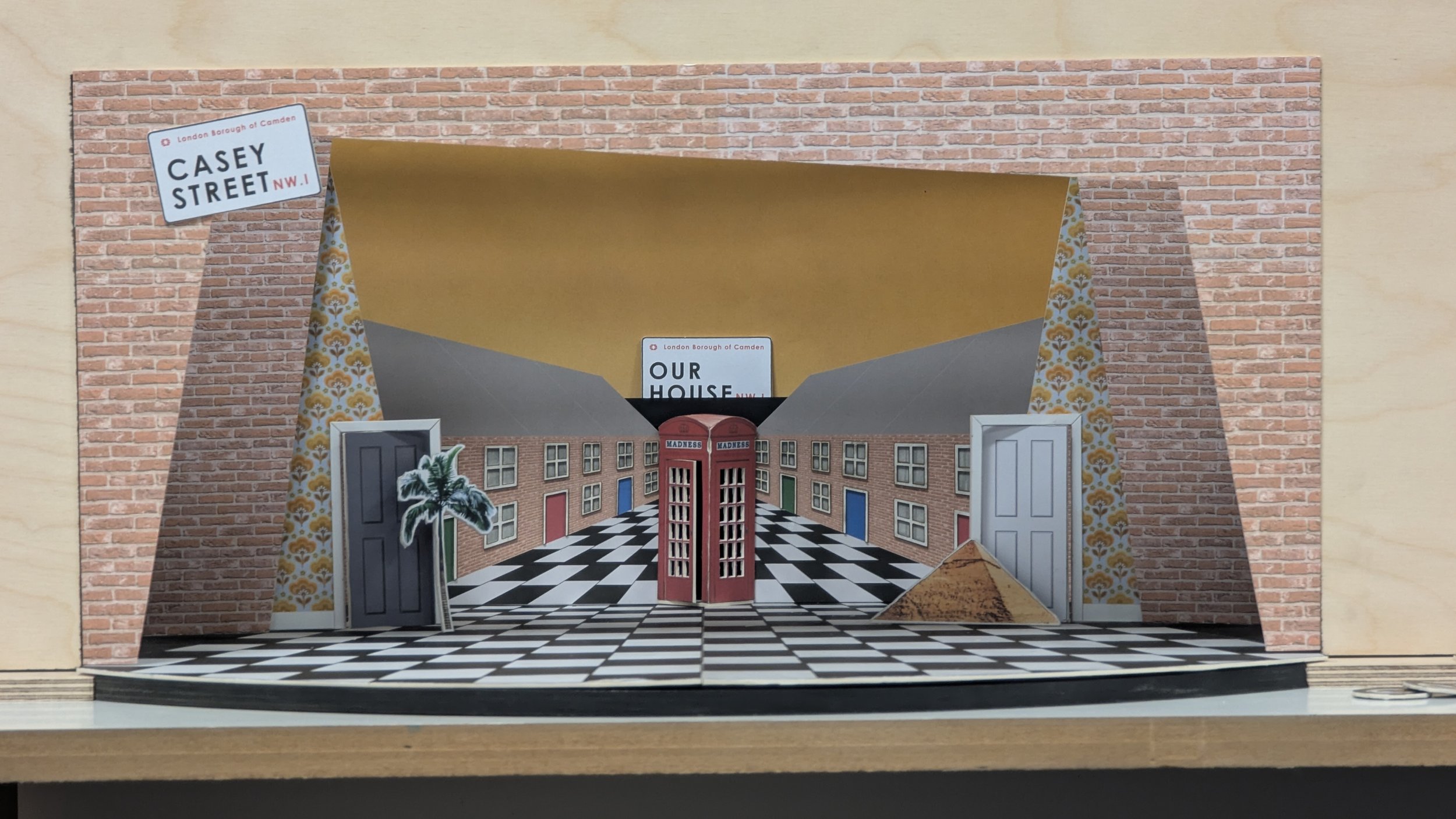
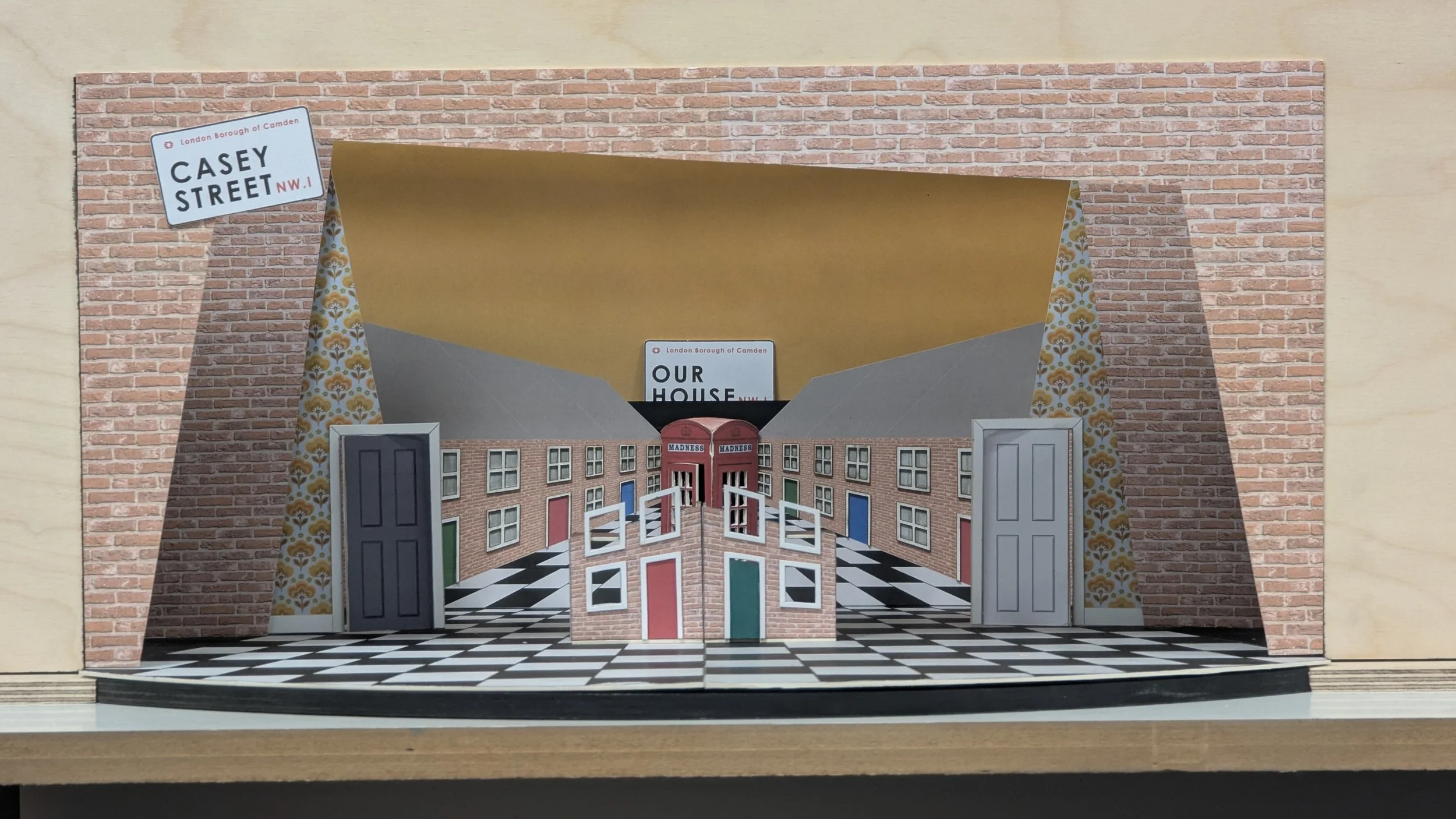
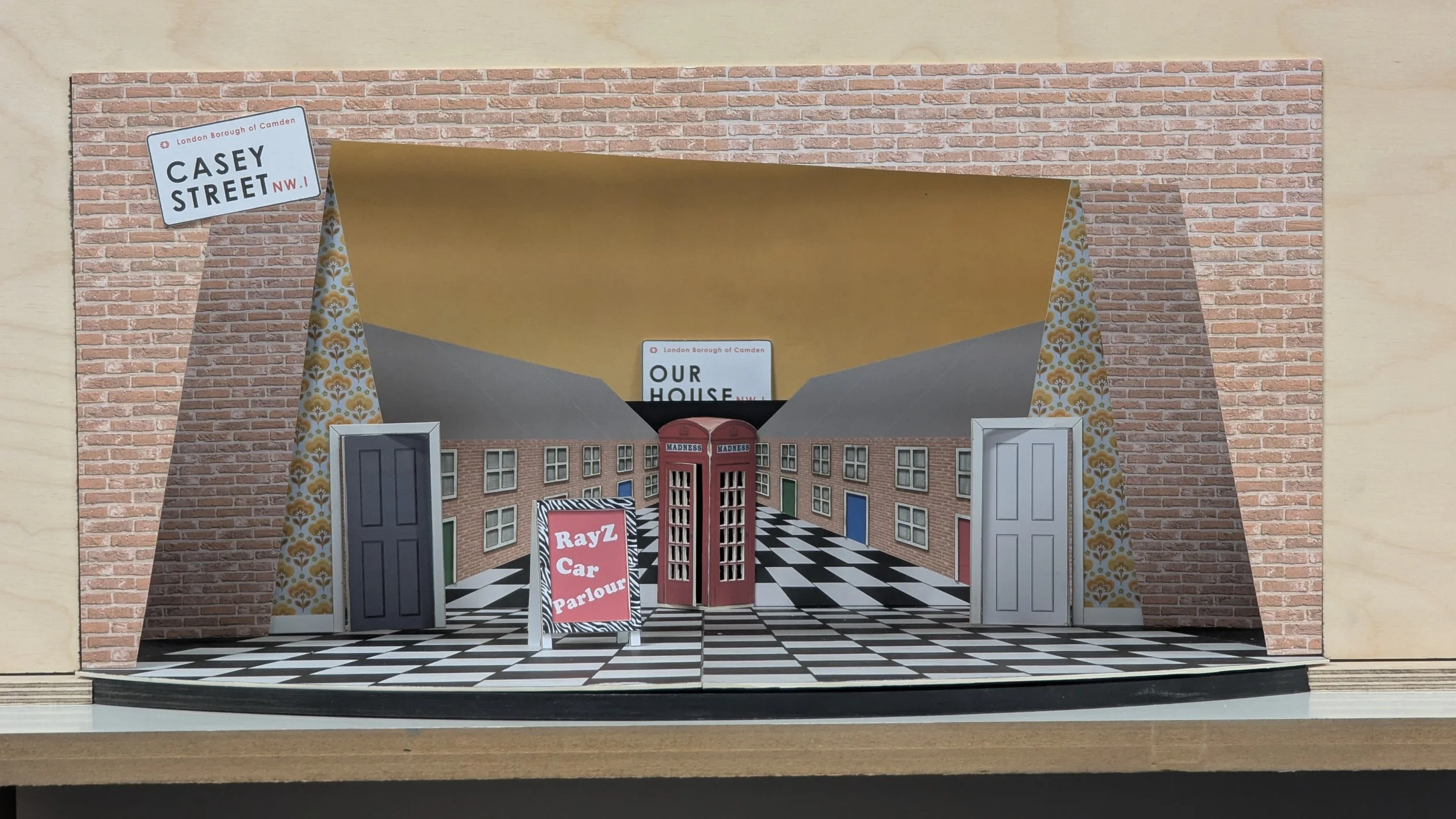
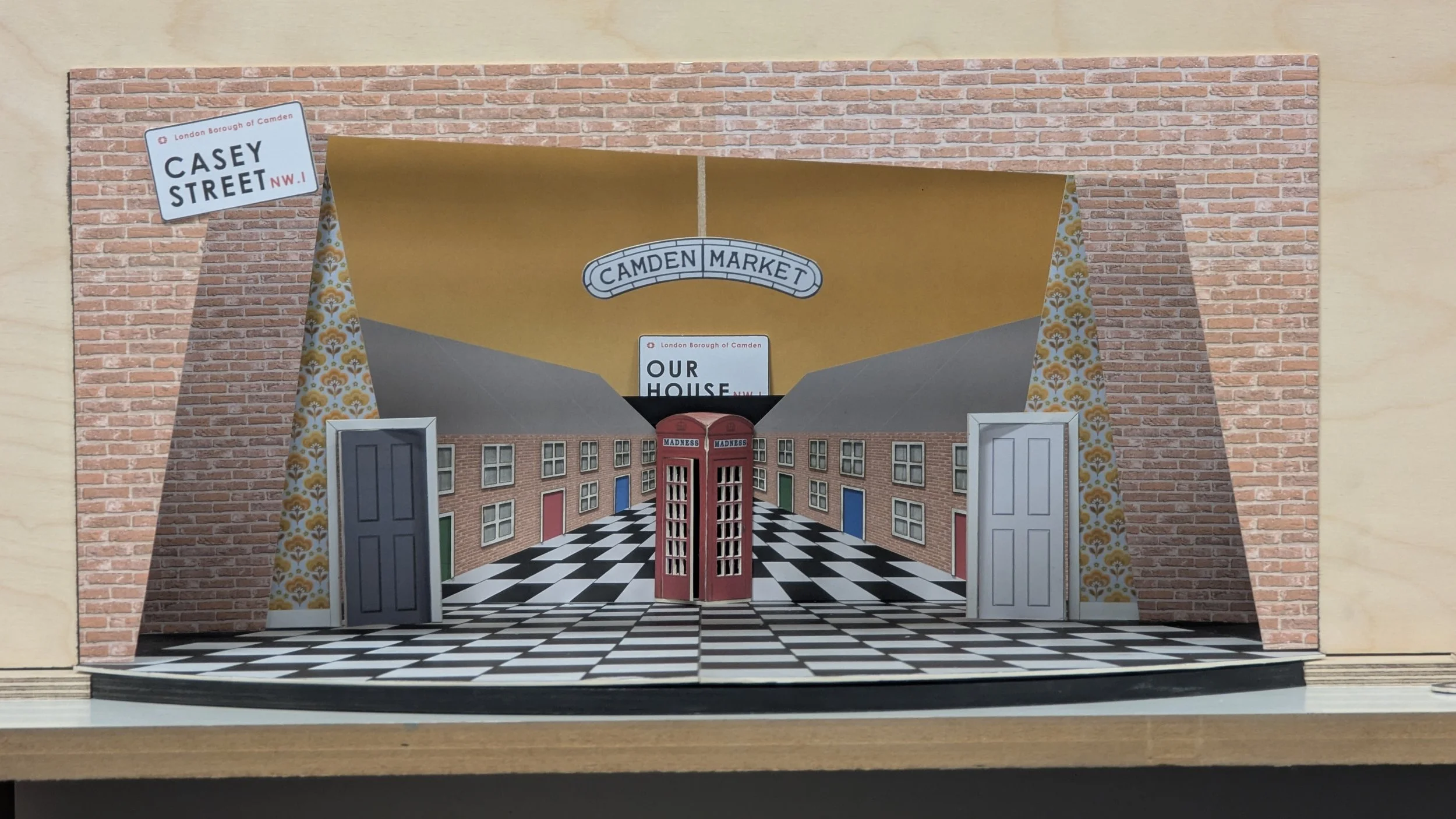
Final Model
This model was used throughout the construction period, and in all production meetings. Notably, the band platform at the back of the set was duscussed and was able to be visualised in the physical model box. The model box was also used to discuss practicalities and blocking of various scenes.
Workshop
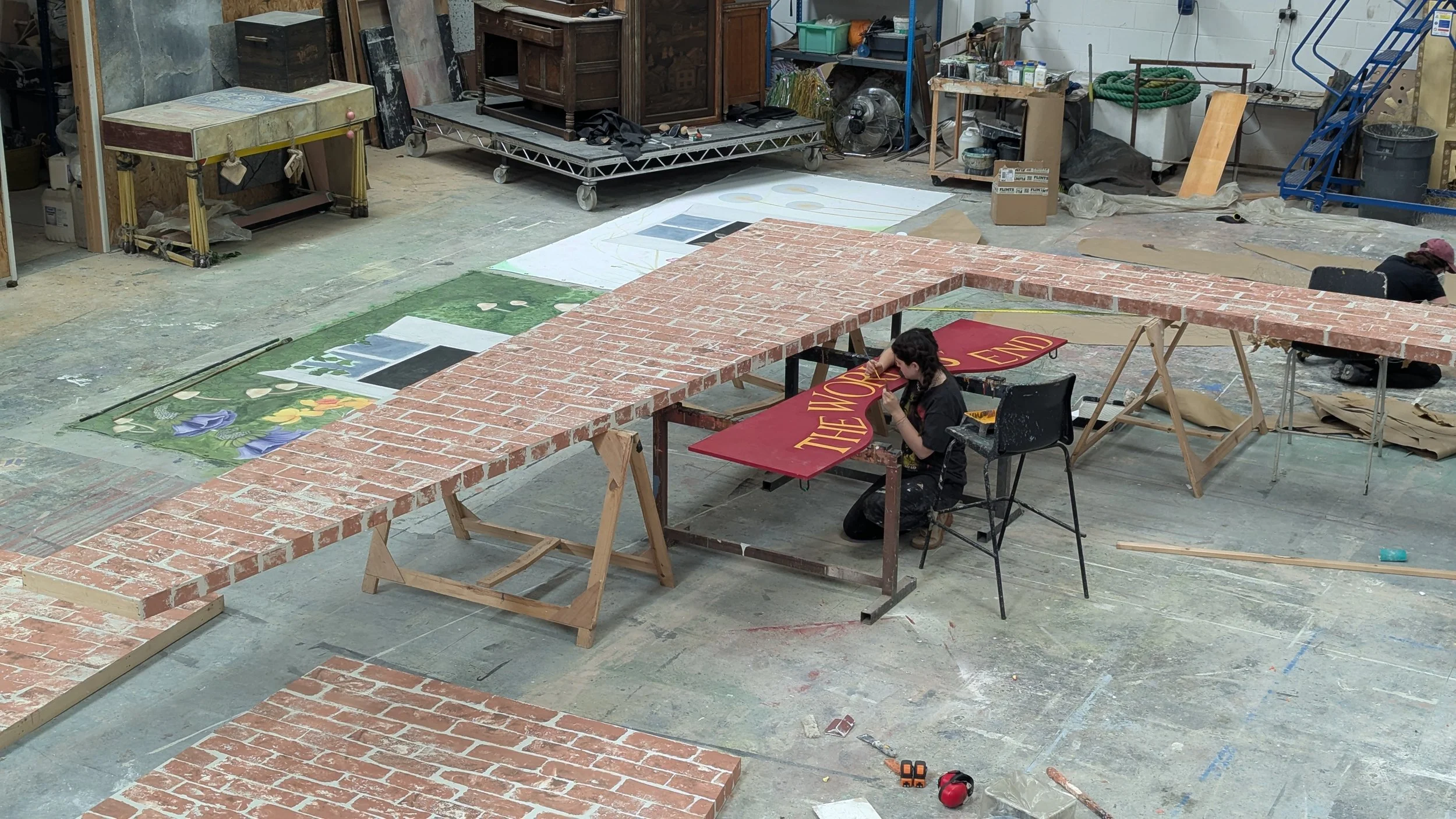
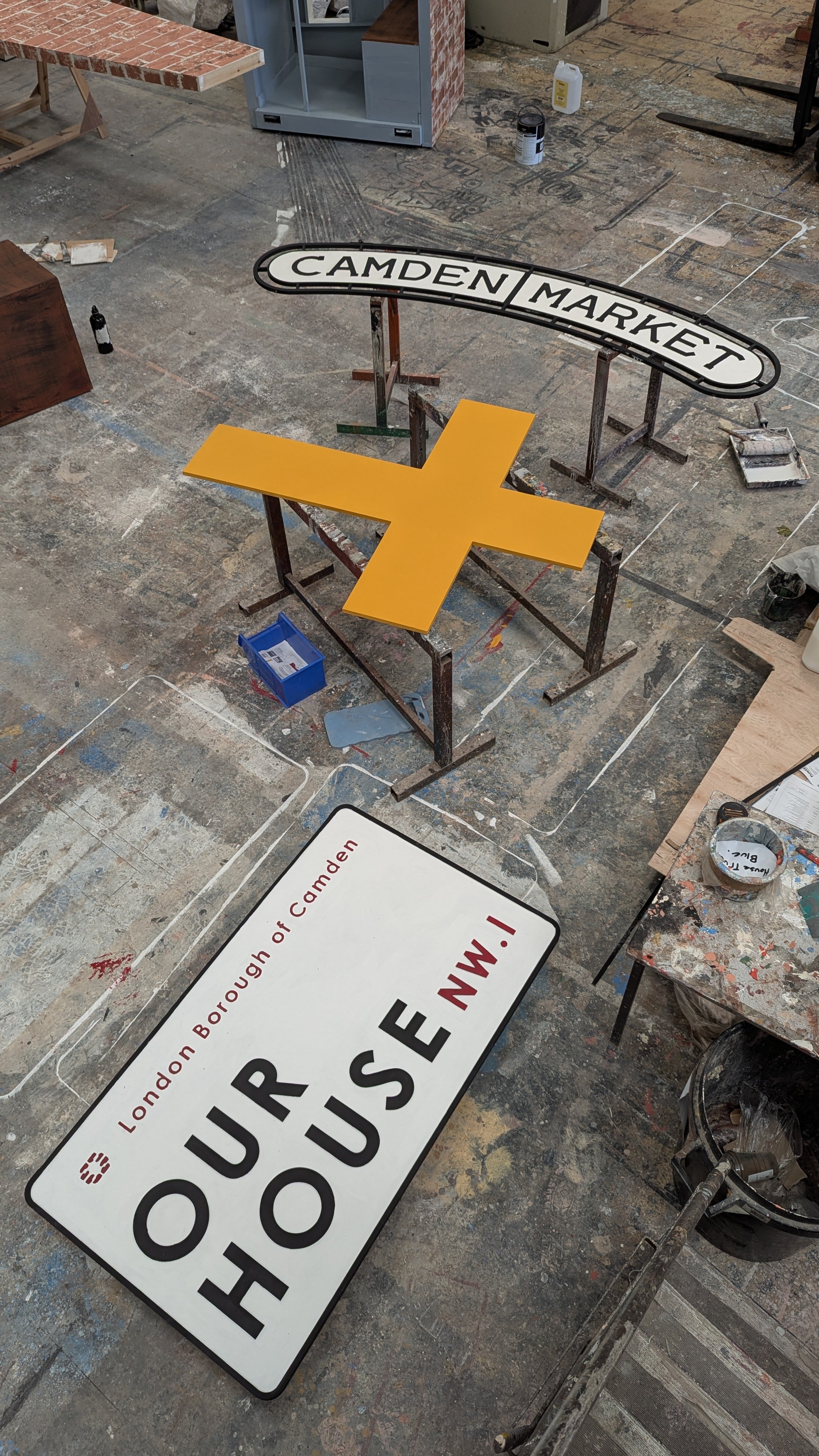
It was then time for the production to enter the workshop for the set to get built and then painted. I had multiple meetings with the workshop manager and scenic manager to ensure the feasibility of my design, and to discuss the intricacies of how elements would be built in a way that was not detrimental to the function or the look of the end product.
Telephone Box
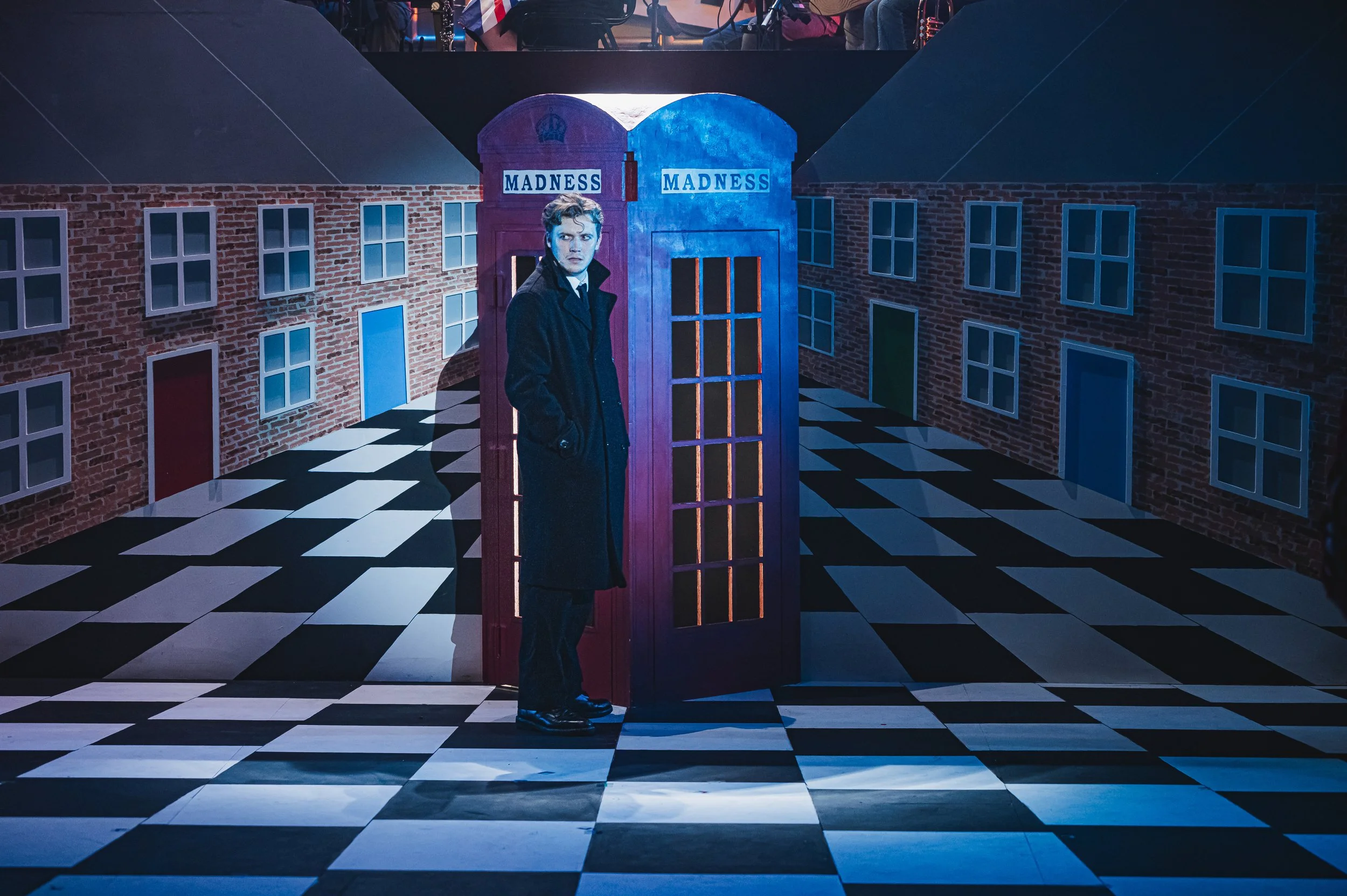
The opening scene is ‘Mums’ memory of when her and ‘Dad’, who has died in present day, first met. I figured that there needed to be a link between the initial scene and when ‘Dad’ reappears as his ethereal self in subsequent scenes. I made the connection with the telephone box. The disco ball in the initial scene was a telephone box, and then in subsequent scenes when ‘Dad’ reappears as his son’s concience, he enters and exits the stage via a telephone box which is not out of place at the center-rear of the forced perspective streetscape set.

Production Run
Technical Rehearsals
Technical rehearsals mainly allowed the actors to rehearse the show with set, costume and lighting and effects. This also gave the opportunity to review and allow for monor changes to be made regarding the staging and use of some set pieces. This two week period ensured the smooth running of the show during it’s week running.
During the the production run, I read the show report following every performance to make myself aware of any set realated issues. Whilst any issues that arose were the pesponsibility of stage managers, I still wanted to be aware.
Generally, the show was very well recieved and gained multiple standing ovations.
Liaising With the Direcor
The design process was led with the director ultimately agreeing practical decisions and rough design decisions. Nearing the end of the design process I was able to create a physical storyboard within the model box showing the director each of the 39 scenes arranged with various set pieces.
Revolving Doors